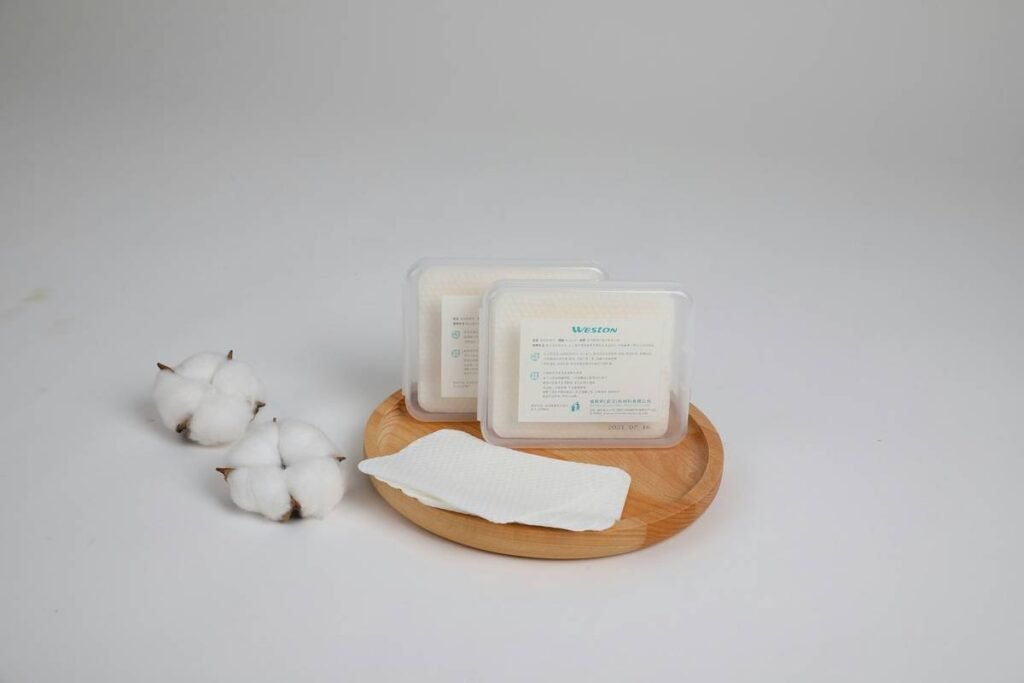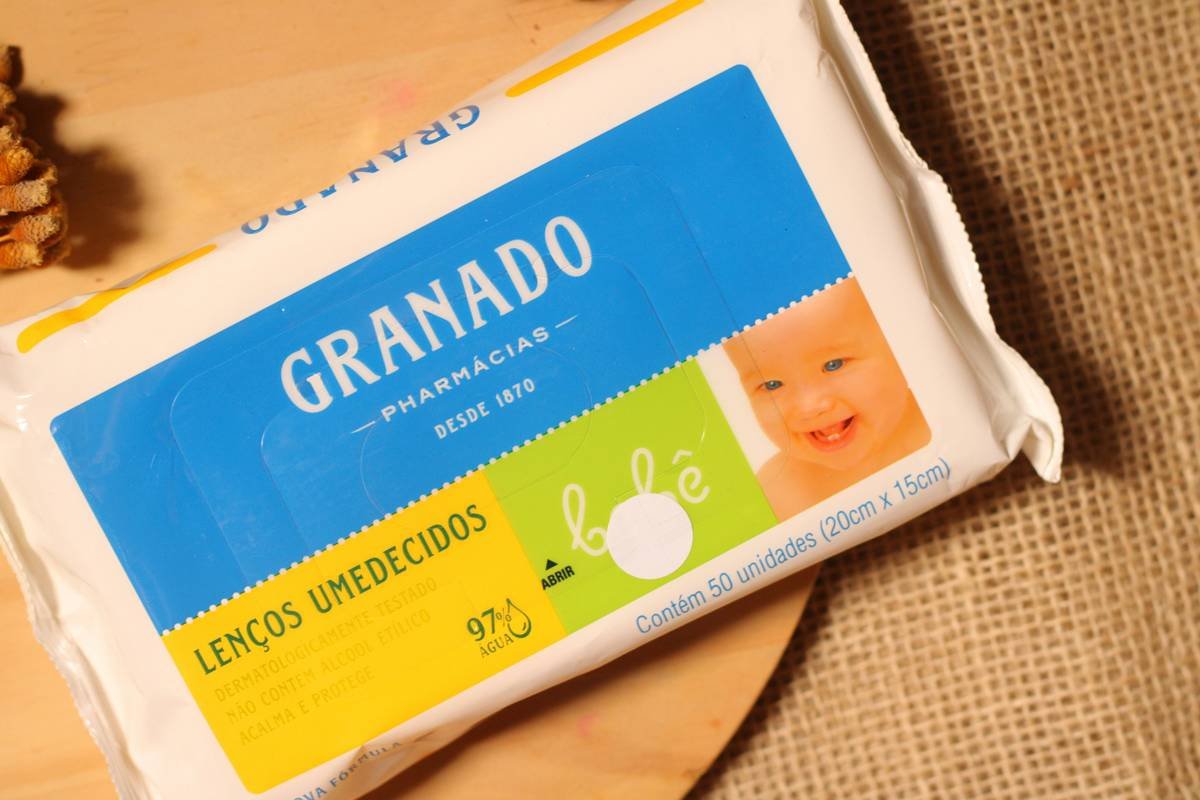
Stinging, redness, tightness after a simple wipe? You’re not imagining it. Conventional “sensitive skin” wipes often pack hidden irritants disguised as “natural.” The fix isn’t just swapping brands—it’s rethinking what gentle really means. Enter truly gentle face wipes for sensitive skin that respect your barrier, not strip it.
Why Standard “Sensitive Skin” Wipes Backfire
Most wipes labeled “for sensitive skin” still rely on preservatives like phenoxyethanol or alcohol-based solvents to extend shelf life. And guess what? They disrupt your acid mantle—the thin, protective film keeping irritants out and moisture in.
Worse, many contain botanicals like lavender or citrus extracts under the guise of “calming.” But essential oils are common sensitizers—especially on compromised skin. Think about it: if your skin flares up after using them, is it really gentle?
Your Step-by-Step Guide to Truly Gentle Cleansing
Finding effective yet non-irritating wipes isn’t about marketing claims. It’s about ingredient discipline—and knowing what to ignore.
Check the Preservative System First
Avoid anything with methylisothiazolinone, formaldehyde-releasers, or high concentrations of alcohol (listed near the top). Look instead for radish root ferment filtrate, sodium benzoate + potassium sorbate blends, or rosemary extract-based systems—they preserve without provoking.
Ditch Essential Oils Entirely
“Fragrance-free” ≠ essential oil–free. Scan the full INCI list. If you see *Lavandula angustifolia* oil or *Citrus limon* peel oil, skip it. These aren’t benign—even in trace amounts for reactive skin.
Texture Matters More Than You Think
A rough, scratchy wipe causes micro-tears. Opt for ultra-soft, spunlace or bamboo-based cloths. They glide—don’t drag—across delicate facial tissue.
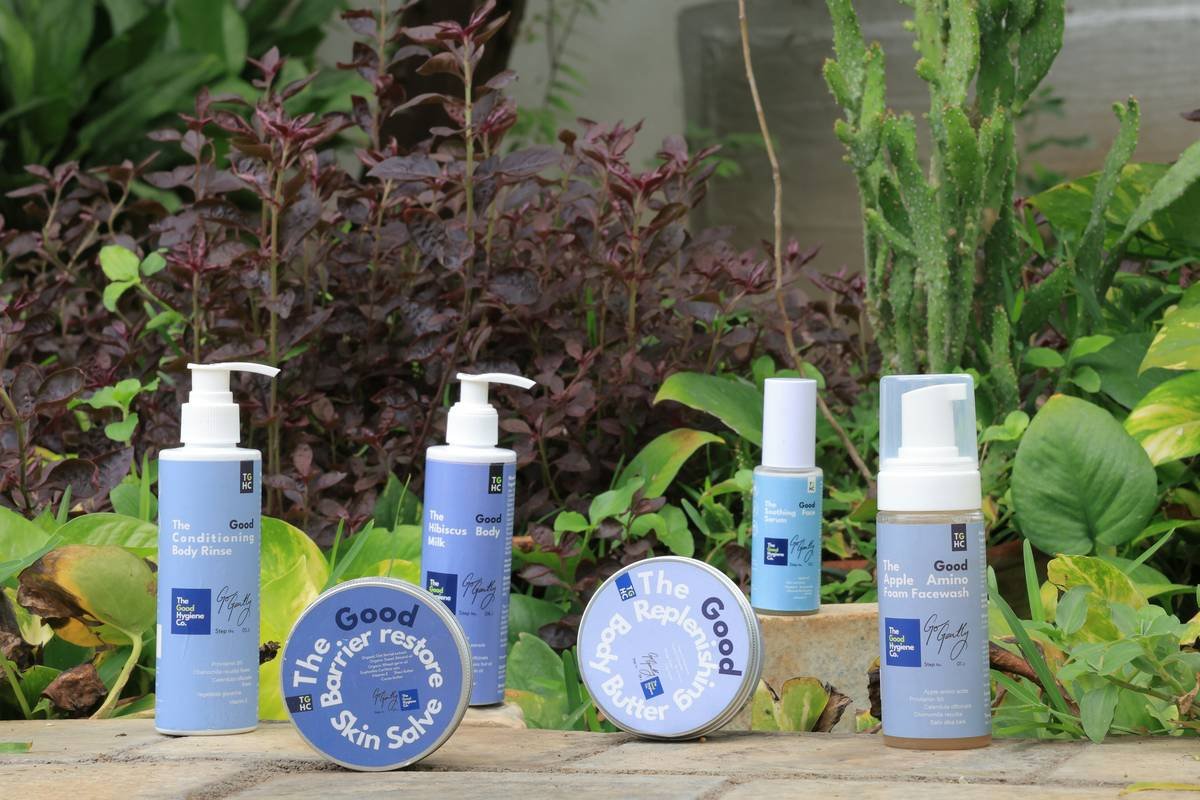
Compare: Wipe Types & Their Real Impact
| Wipe Type | Typical Irritants | Barrier-Friendly Alternatives | Cleanse Efficacy |
|---|---|---|---|
| Mass-Market “Sensitive” Wipes | Phenoxyethanol, fragrance, alcohol denat. | None | Moderate (but damages barrier over time) |
| “Natural” Brand Wipes | Lavender oil, citric acid, witch hazel | Sometimes (depends on formulation) | Variable—often leaves residue |
| True Organic Wipes (Certified) | None (when properly formulated) | Chamomile CO2 extract, glycerin, aloe juice | High—lifts makeup without stripping |
The Industry Secret: Shelf Stability vs. Skin Tolerance
Here’s what brands won’t tell you: most wipes need harsh preservatives because they’re soaked in water-based solutions prone to bacterial growth. The workaround? Some ethical formulators use anhydrous (water-free) bases with micellar technology powered by plant-derived surfactants like decyl glucoside. No water = no microbes = no toxic preservatives. The math is simple: fewer ingredients, fewer risks. But these cost more to produce—which is why they’re rare on drugstore shelves.
FAQ
Are biodegradable wipes safe for sensitive skin?
Not automatically. Biodegradability addresses environmental impact, not skin compatibility. Always check the liquid formula—not just the cloth material.
Can I reuse organic face wipes?
No. Reusing introduces bacteria and reduces efficacy. Single-use is hygienic—especially for acne-prone or reactive skin.
Do gentle face wipes for sensitive skin remove sunscreen?
Most do—if they contain mild surfactants like coco-glucoside. Oil-based sunscreens may need a second pass or follow-up cleanse.