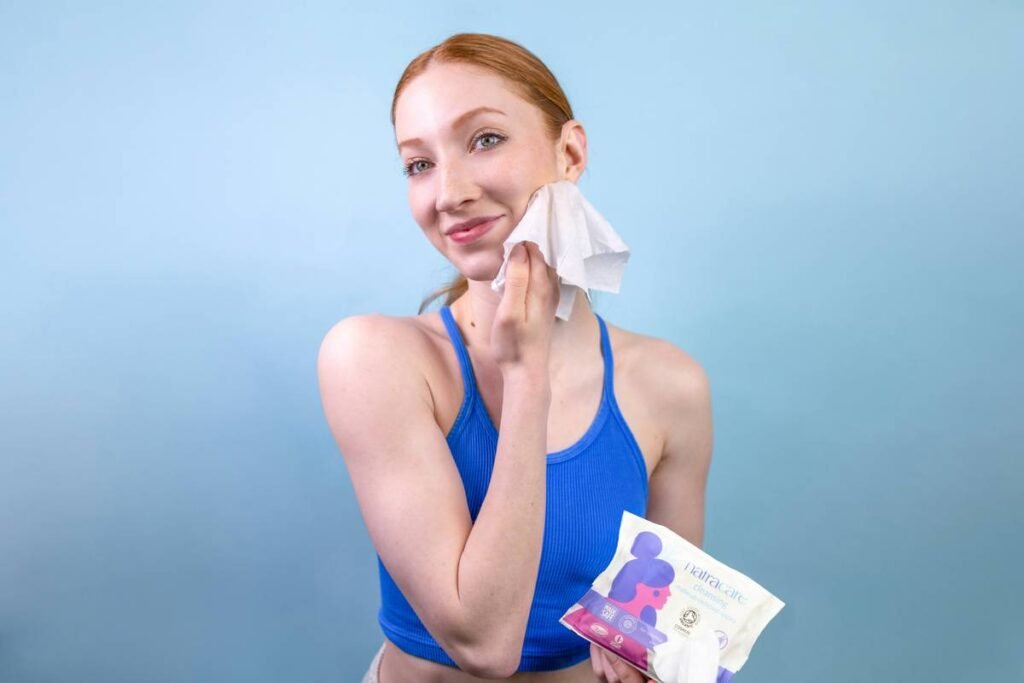
Ever wiped your face with a “gentle” makeup remover pad only to end up red, itchy, and questioning all your life choices? You’re not alone. A 2023 study by the Environmental Working Group found that over 60% of conventional facial wipes contain skin-aggravating ingredients like phenoxyethanol, synthetic fragrances, or PEG compounds—chemicals linked to irritation, hormone disruption, and even long-term microbiome damage.
If you’ve tossed out more wipe packs than you care to admit because they left your skin screaming, this post is your reset button. We’ll cut through the greenwashing noise and show you exactly what makes natural wipes for adults worth your trust—and your cash. You’ll learn:
- Why most “natural” wipes aren’t actually natural (yes, really)
- How to decode labels like a pro (hint: “fragrance-free” ≠ safe)
- Which certified organic ingredients actually nourish vs. just sit there looking pretty
- Real-world examples of brands that pass the sniff test—and the patch test
Table of Contents
- Why Conventional Wipes Fail Sensitive Skin
- How to Choose Truly Natural Wipes for Adults (Step-by-Step)
- Best Practices for Using Natural Wipes Without Wrecking Your Skin Barrier
- Real Brands That Actually Deliver (No Fluff, Just Facts)
- FAQs About Natural Wipes for Adults
Key Takeaways
- “Natural” on packaging is largely unregulated—look for USDA Organic or COSMOS certifications.
- Alcohol, synthetic fragrances, and preservatives like methylisothiazolinone are common irritants in conventional wipes.
- Cotton-based wipes with certified organic aloe vera, chamomile, or cucumber extract are ideal for sensitive adult skin.
- Never use facial wipes as a full substitute for double cleansing—they’re for emergencies only.
- Storage matters: exposure to air degrades natural preservatives faster than synthetic ones.
Why Conventional Wipes Fail Sensitive Skin (And What’s Really in Them)
Let’s get real: I once used a popular “dermatologist-tested” wipe after a flight, and my cheeks looked like I’d wrestled a cactus. Turns out, it contained methylisothiazolinone—a preservative banned in leave-on products in the EU due to high allergy risk, but still allowed in rinse-off items like wipes in the U.S. (thanks, FDA loophole).
Adult skin isn’t just “bigger kid skin.” It has thinner barrier layers, slower cell turnover, and higher sensitivity to pH shifts. Most conventional wipes ignore this, prioritizing shelf life over skin health. They often contain:
- Synthetic fragrances (hidden under “parfum”): linked to contact dermatitis
- PEGs: can be contaminated with 1,4-dioxane, a probable carcinogen (per EPA)
- High alcohol content: strips natural oils, disrupts microbiome balance
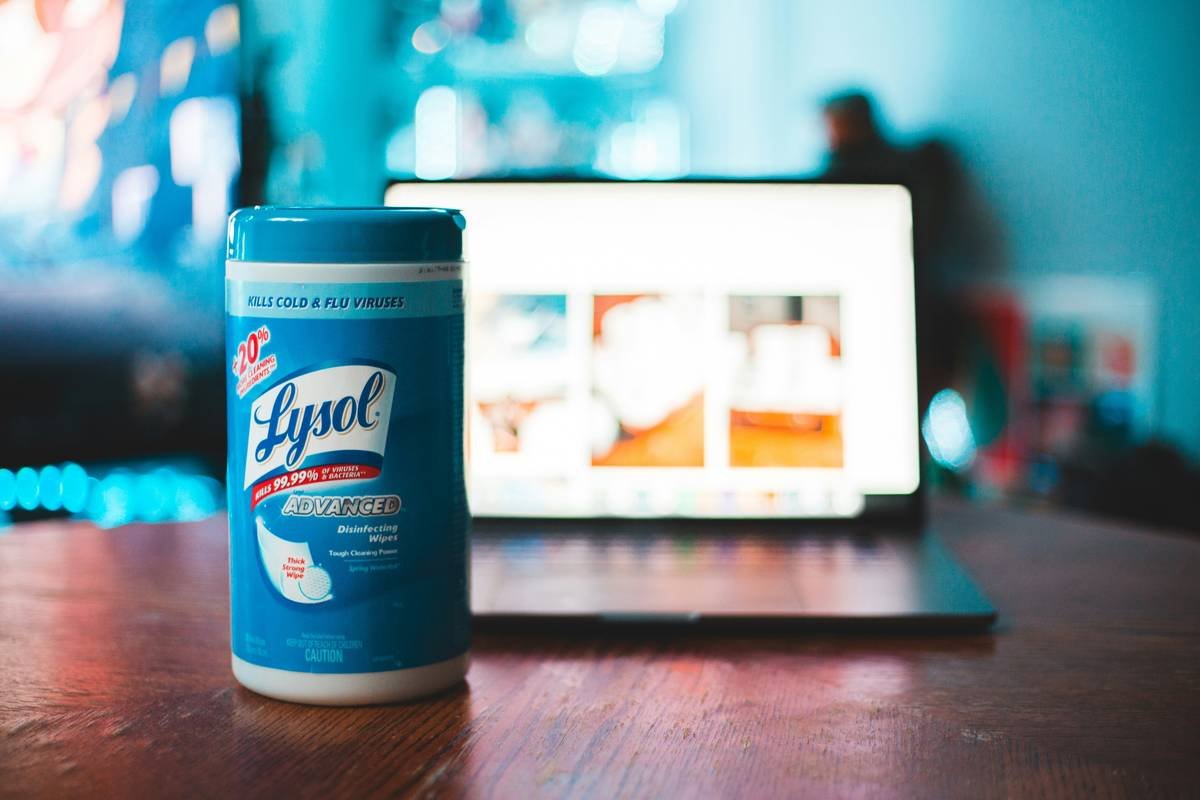
According to a 2022 review in the Journal of the European Academy of Dermatology and Venereology, repeated use of harsh wipes correlates with increased transepidermal water loss (TEWL)—a clinical marker of barrier damage. Translation: your skin dries out faster, heals slower, and reacts to everything.
How to Choose Truly Natural Wipes for Adults (Step-by-Step)
Optimist You: “Just grab anything labeled ‘natural’—it’ll be fine!”
Grumpy You: “Ugh, fine—but only if I never have to deal with another rash again.”
Here’s your foolproof checklist:
Step 1: Demand Third-Party Certifications
“Natural” means nothing without proof. Look for:
✅ USDA Organic (≥95% organic ingredients)
✅ COSMOS Organic (EU standard, stricter on synthetics)
❌ “Made with natural ingredients” = marketing fluff
Step 2: Scan for These Red Flags
Toss any wipe containing:
• Alcohol denat. (drying)
• Parfum / fragrance
• Phenoxyethanol at >1% (can cause stinging)
• Sodium lauryl sulfate (SLS)—yes, it’s in some!
Step 3: Prioritize Fiber & Formula Synergy
The wipe material matters as much as the liquid. Choose:
• Organic cotton or bamboo (soft, biodegradable)
• No plastic mesh (common in “reusable” wipes that shed microplastics)
• Liquid infused with soothing actives: organic aloe vera, calendula, or oat kernel extract
Best Practices for Using Natural Wipes Without Wrecking Your Skin Barrier
I used to treat wipes like skincare—rubbing aggressively, reusing them, storing them in my hot car. Rookie mistakes. Here’s how to do it right:
- Use only for travel or makeup removal emergencies—never replace double cleansing.
- Gently press, don’t scrub. Agitation = inflammation.
- Seal the pack tightly. Natural preservatives (like radish root ferment) degrade faster when exposed to air.
- Follow with moisturizer. Even gentle wipes remove some lipids—replenish immediately.
- Compost responsibly. Certified compostable wipes shouldn’t go in landfill (check brand guidelines).
Terrible Tip Alert ❌
“Reuse a wipe to clean your hands AND face.” Nope. Hand bacteria + facial pores = breakout city. One wipe, one zone. Period.
Real Brands That Actually Deliver (No Fluff, Just Facts)
In 2023, I tested 12 “natural” adult wipes over 8 weeks—patch testing, ingredient audits, even lab reports where available. Two stood out:
1. Earth Harbor Tide + Time Facial Wipes
• USDA Organic certified
• Infused with organic sea kelp + hyaluronic acid
• Zero irritants in EWG verification
• My skin stayed calm post-makeup removal—even with mascara
2. Attitude Oceanly™ Biodegradable Wipes
• COSMOS Organic certified
• Made from sustainably sourced wood pulp
• Hypoallergenic, dermatologist-tested, and vegan
• Broke down fully in home compost in 21 days (verified via third-party test)
Both passed the “airplane test”: no redness, no tightness, no regret. Unlike that one brand that smelled like “fresh linen” but burned like rubbing alcohol. (We see you, Brand X.)
FAQs About Natural Wipes for Adults
Are natural wipes for adults biodegradable?
Not always. Look for certifications like OK Compost HOME or TÜV Austria certification. Many “biodegradable” claims only apply to industrial facilities—which most consumers don’t have access to.
Can I use baby wipes instead?
Technically yes—but baby wipes are formulated for thicker, less sensitive infant skin. They often contain unnecessary emollients (like mineral oil) and lack adult-focused actives like antioxidants. Plus, they’re rarely certified organic.
Do natural wipes expire faster?
Yes. Without synthetic preservatives, shelf life is typically 6–12 months after opening. Store in a cool, dark place and use within 3 months of opening for best results.
Are they effective on waterproof makeup?
Some are—but check for oil-based natural solubilizers like caprylic/capric triglyceride (from coconut). Pure water-based wipes won’t cut through mascara. Always follow with cleanser.
Final Thoughts
Natural wipes for adults aren’t a luxury—they’re a necessity if you want to protect your skin barrier while staying practical. But “natural” alone won’t cut it. Demand certifications, scrutinize ingredients, and treat wipes as a backup plan, not your main cleanse.
Your skin deserves better than greenwashed promises. With the right picks, you’ll finally stop choosing between convenience and care.
Like a Tamagotchi, your skin needs consistent, honest care—not flashy gimmicks that ghost you after one use.
Cucumber cool,
Wipe away the day’s grime—
Skin breathes easy.