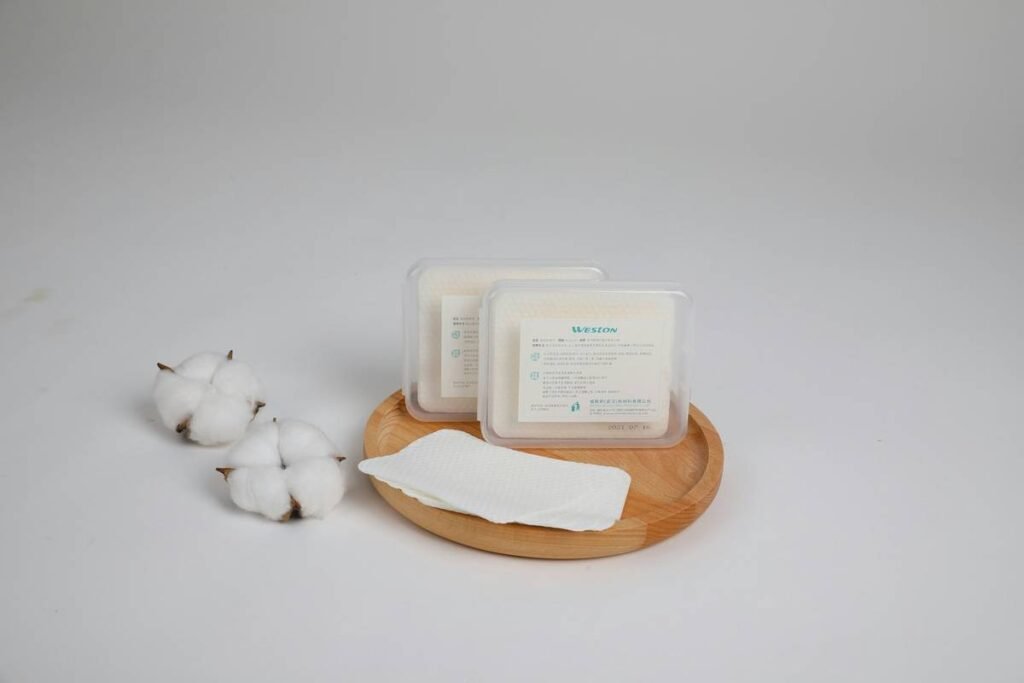
Few things feel as jarring as stepping out of a long shower—only to realize your skin’s screaming from harsh soaps and synthetic residue. And yet, millions still reach for chemical-laden body washes daily. What if the solution wasn’t lathering up—but wiping down? Enter organic wipes to wash body: not just convenient, but a radical reset for sensitive, reactive, or over-stripped skin.
Why Traditional Cleansing Fails Sensitive Skin
Conventional body washes rely on sulfates, parabens, and artificial fragrances to create that “squeaky clean” illusion. In reality? They dismantle your acid mantle—the delicate lipid barrier that keeps moisture in and irritants out. Over time, this leads to dryness, redness, even eczema flare-ups.
And travel exacerbates it. Hotels, gyms, airplane bathrooms—none offer pH-balanced options. You’re stuck choosing between grimy skin or stripping it raw with whatever generic soap is available. Not ideal.
How to Use Wipes to Wash Body Without Compromising Cleanliness or Ethics
Switching isn’t about laziness—it’s precision hygiene. Done right, organic body wipes deliver targeted cleansing without water waste, plastic bottles, or dermatological backlash. Here’s how:
Pick Wipes That Actually Cleanse (Not Just “Freshen”)
Avoid wipes labeled “refreshing” or “deodorizing.” Those skip surfactants entirely—they mask odor but don’t remove sweat, oil, or pollutants. Look for plant-derived cleansers like decyl glucoside or coco-betaine. They lift grime gently.
Check the Fiber Source—Not All “Biodegradable” Claims Are Equal
Bamboo? Good. Wood pulp? Acceptable. But if it’s polyester-blend—even 5%—it sheds microplastics. True eco-wipes decompose fully in home compost within 90 days. Ask brands for certification (TUV OK Home Compost is gold standard).
Time Matters: When to Wipe vs. When to Shower
Post-workout? Post-flight? After gardening? Perfect wipe moments. But if you’ve applied heavy sunscreen, makeup, or pesticides—shower. Organic wipes excel at light-to-moderate soil loads, not occlusive barrier removal.

| Cleansing Method | Water Usage | Plastic Waste | Dermatological Impact | Ideal For |
|---|---|---|---|---|
| Traditional Body Wash + Loofah | 20–50 gallons/shower | 1 plastic bottle/month | Strips natural oils; disrupts microbiome | Daily deep cleanse (if skin tolerates) |
| Bar Soap | 20–50 gallons/shower | Minimal (paper wrap) | Alkaline pH (9–10); dries skin | Low-sensitivity skin; zero-waste households |
| Organic Wipes to Wash Body | 0 gallons | Compostable pouch (if chosen wisely) | pH 5.5; preserves moisture barrier | Travel, gym, sensitive/reactive skin days |
The Industry Secret: Most “Natural” Wipes Are Watered-Down Marketing
Here’s what brands won’t tell you: the average organic body wipe contains less than 15% active botanicals. The rest? Mostly water—preserved with phenoxyethanol or potassium sorbate, which still trigger reactions in compromised skin. I’ve seen clients break out from “clean” wipes simply because the preservative system was overlooked.
But—and this is key—some indie labs are now using fermentation-derived preservation (like radish root ferment filtrate). It’s pricier, so big players skip it. Yet it stabilizes formulas without immune disruption. Always scan the full INCI list. If “water” is first and “aloe” is fifth, question it.
Think about it: your wipe should feel nourishing *after* use—not tight, cool, or “dry-clean.” If it stings? It’s not working *with* your skin. It’s overriding it.
Frequently Asked Questions
Can I use body wipes every day instead of showering?
Only if your activity level is low and you avoid occlusive products. Daily wiping suits office workers or post-bedrest routines—but not heavy sweaters or sunscreen users. Rotate with water-based cleansing.
Are organic body wipes truly eco-friendly?
Only if fully plant-based and home-compost certified. Many “biodegradable” wipes need industrial facilities—which most cities lack. Check packaging for TUV OK Home Compost or BPI certification.
Do wipes to wash body remove bacteria effectively?
Yes—if they contain mild surfactants like coco-glucoside. These lift microbes with sebum and sweat. Alcohol-free formulas preserve good flora while removing transient pathogens. Avoid “antibacterial” claims—they often mean triclosan derivatives.