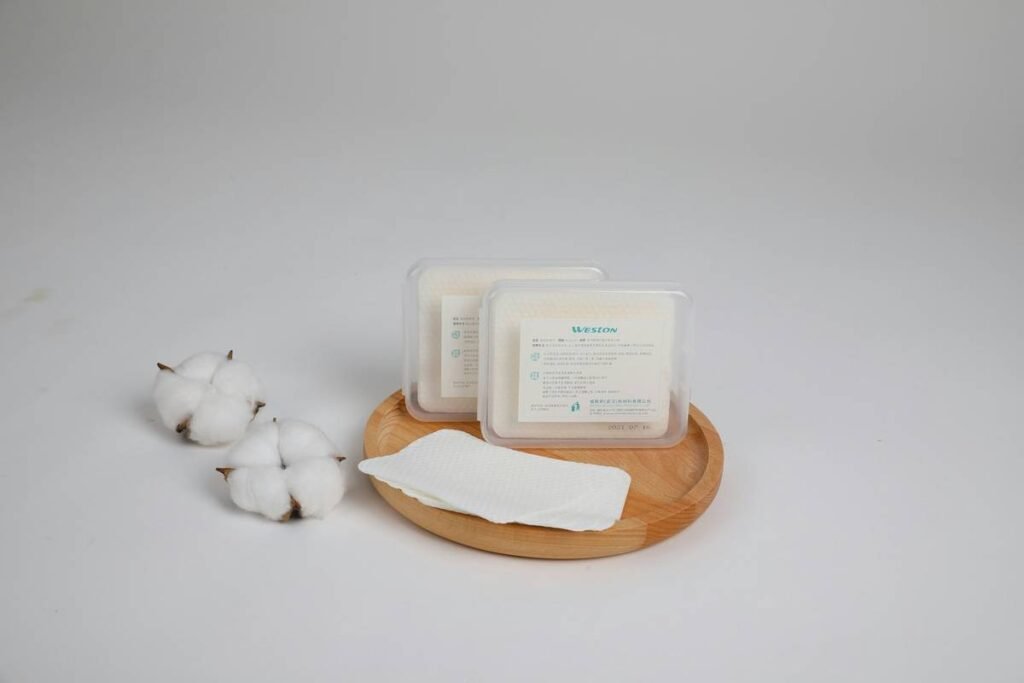
Your skin is under siege. From airborne pollutants to sweat, sunscreen residue, and invisible grime, daily exposure builds a film that clogs pores and dulls your glow. Conventional wipes promise convenience—but often deliver synthetic surfactants, alcohol, and microplastics that strip moisture and harm ecosystems. The solution? Truly clean wipes for body—biodegradable, non-toxic, and effective without compromise.
The Dirty Truth About “Natural” Body Wipes
Walk into any drugstore, and you’ll see shelves lined with wipes labeled “natural,” “gentle,” or “dermatologist-tested.” Sounds safe—right? Not so fast. Many contain benzalkonium chloride, phenoxyethanol, or polyethylene terephthalate (PET)—a plastic fiber that doesn’t break down. These linger on your skin and in rivers long after use. Worse, they disrupt your skin’s microbiome, triggering irritation or premature aging. And yes—some “eco” brands still rely on wood pulp from unsustainable sources, greenwashing with vague claims. The result? A false sense of cleanliness that costs your health and the planet.
How to Choose & Use Clean Wipes for Body—The Right Way
Switching isn’t just about swapping products. It’s about rethinking hygiene rituals. Here’s how to do it smartly:
Check the Fiber First
Opt for wipes made from certified organic cotton, bamboo viscose, or Tencel™—all rapidly renewable and compostable. Avoid anything listing “rayon” without sourcing transparency; it’s often derived from endangered forests.
Decode the Ingredient List Like a Pro
If you can’t pronounce half the ingredients, walk away. Ideal formulas include aloe vera, chamomile extract, glycerin (plant-based), and mild preservatives like radish root ferment. Skip anything with parabens, sulfates, or “fragrance”—a loophole hiding dozens of undisclosed chemicals.
Consider the Packaging Footprint
A single-use wipe wrapped in plastic defeats the purpose. Look for home-compostable wrappers or refillable canisters. Even better: brands using waterless technology that activates with a few drops—cutting transport emissions by up to 70%.
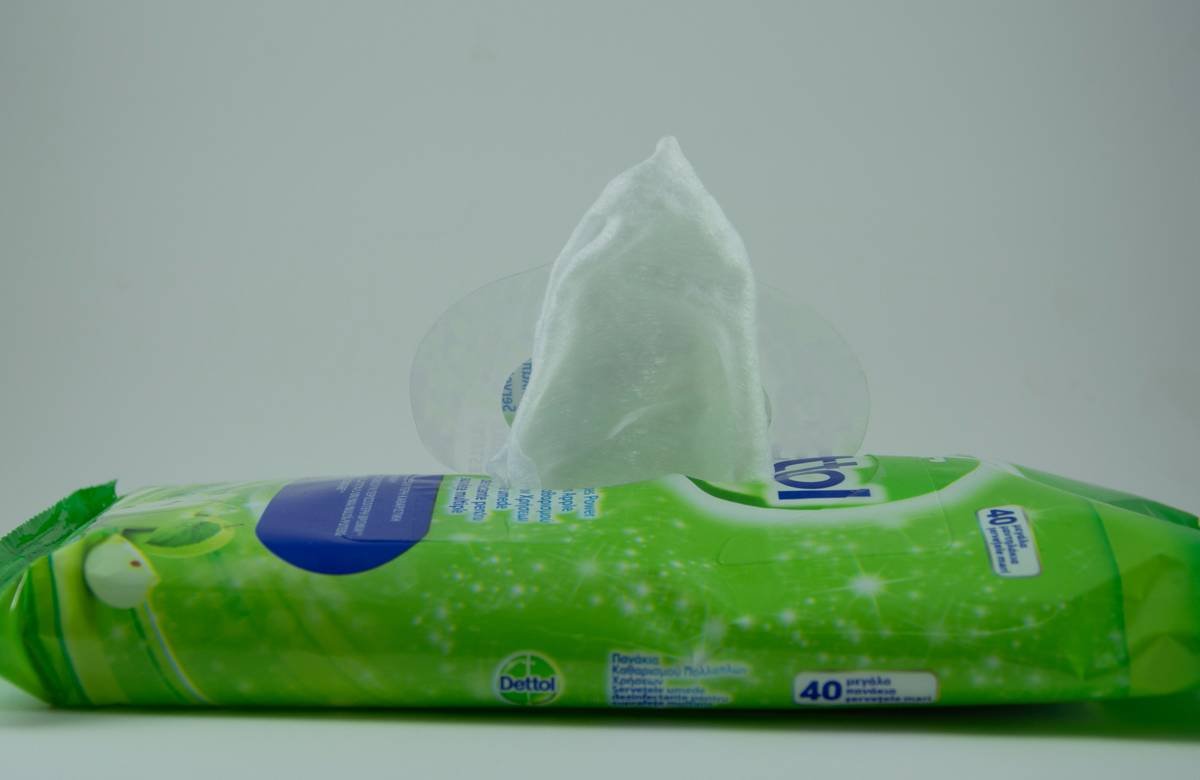
| Wipe Type | Biodegradability | Key Ingredients | Avg. Cost per Wipe |
|---|---|---|---|
| Conventional Drugstore | No (contains PET) | Alcohol, synthetic fragrances, preservatives | $0.05 |
| “Greenwashed” Natural | Partially (6–24 months) | Mixed synthetics + plant extracts | $0.12 |
| True Clean Wipes for Body | Yes (<6 weeks in soil) | Organic aloe, cucumber water, food-grade preservatives | $0.18 |
The Industry Secret: Water Content Is a Marketing Trick
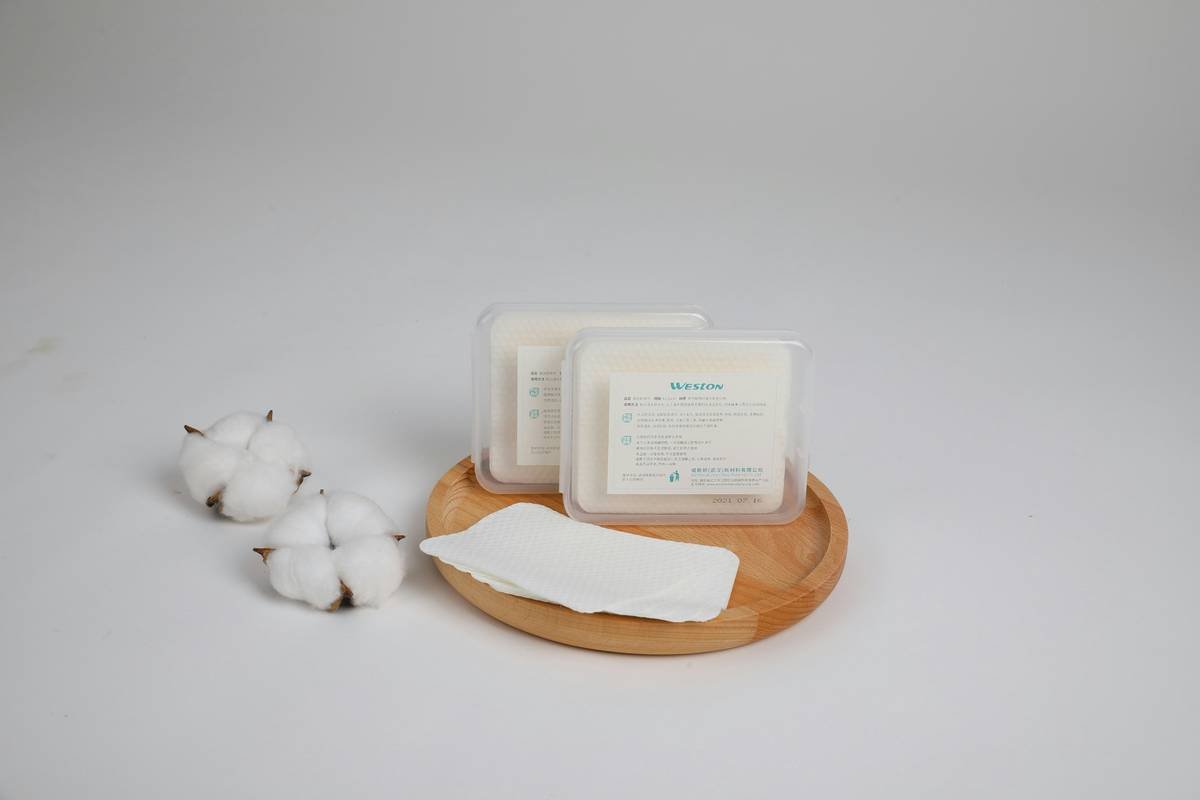
Here’s what no brand admits: most wipes are 90% water. You’re paying to ship H₂O across continents—then tossing soggy, weakened fabric that tears on contact. Some manufacturers even dilute actives below efficacy thresholds to cut costs. The smarter play? Concentrated dry wipes activated on demand. They stay potent, reduce shipping weight by 80%, and last longer per pack. Yet you won’t see this on labels—it’s buried in logistics reports, not marketing copy. Ask your favorite brand: “Is your wipe pre-saturated or activation-ready?” Their answer reveals everything.
Frequently Asked Questions
Are clean wipes for body safe for sensitive skin?
Yes—if they’re free from alcohol, dyes, and synthetic fragrances. Look for ECOCERT or COSMOS certification as proof.
Can I compost used organic wipes?
Only if labeled “home-compostable.” Industrial facilities often reject them due to contamination risk from bodily oils.
Do these wipes effectively remove sunscreen?
Most mineral sunscreens require oil-based cleansing. Pair your clean wipes with a drop of jojoba oil for full removal.