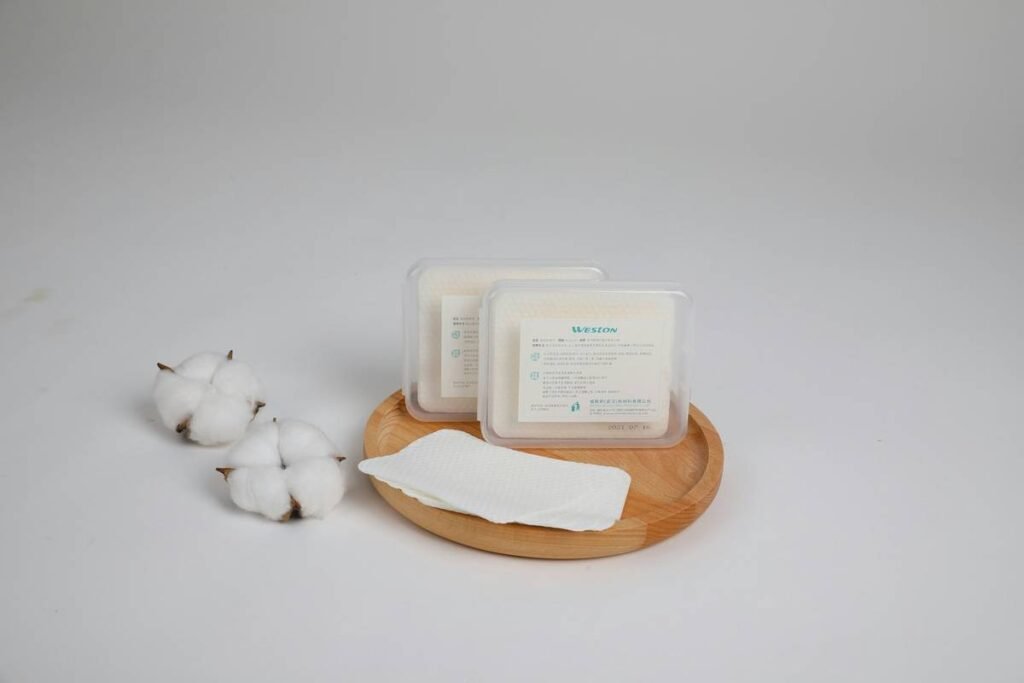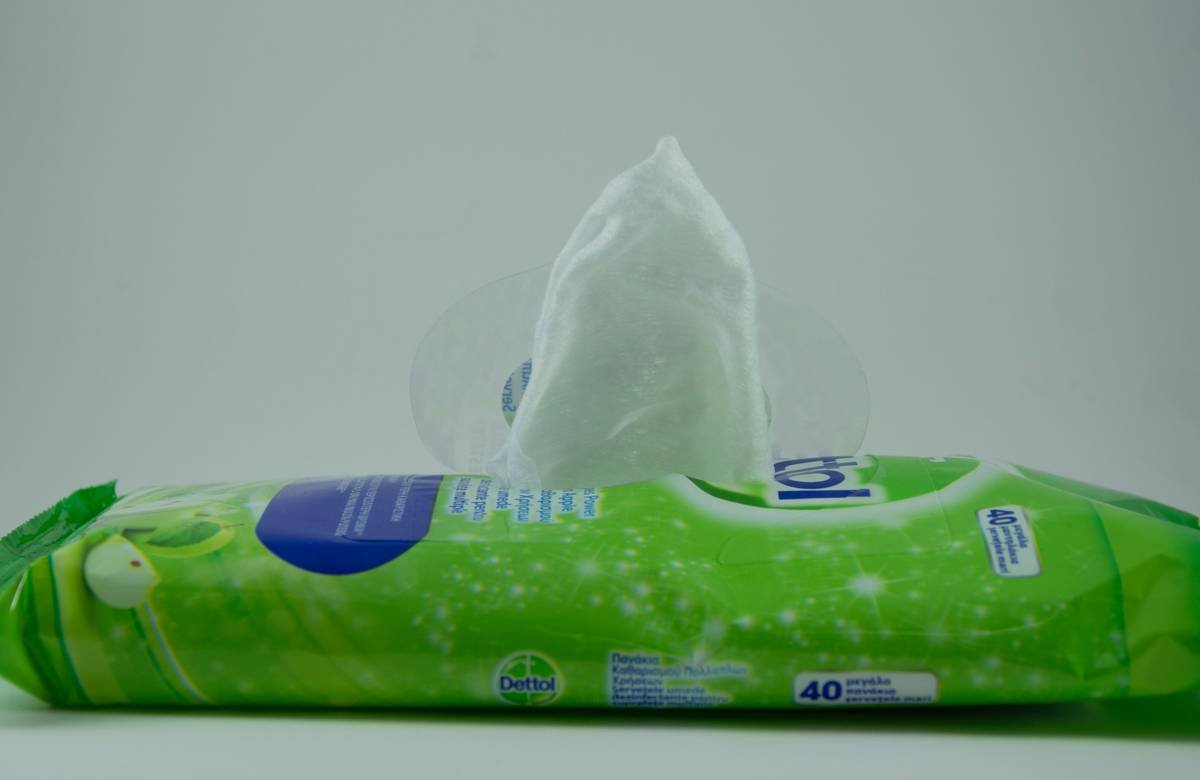
Struggling with redness, breakouts, or that tight, dry feeling after wiping your face? You’re not imagining it. Most drugstore wipes pack hidden alcohols, synthetic fragrances, and plastic fibers that strip your barrier—then charge you extra for “sensitive skin” formulas that still irritate. Here’s the fix: simple cleansing facial wipes made with real botanicals, zero greenwashing, and compostable materials that actually decompose.
Why Conventional Facial Wipes Sabotage Your Skin—and the Planet
Think you’re just removing makeup? You’re also scrubbing away ceramides and disrupting your microbiome. Standard wipes rely on polyester blends and preservatives like methylisothiazolinone—a known allergen banned in leave-on products but somehow still legal in rinse-off ones. And that “flushable” label? A myth. Over 300,000 sewer blockages a year in the U.S. alone trace back to these so-called disposable cloths.
But beyond skin irritation and plumbing nightmares, there’s a deeper issue: false economy. One pack seems cheap—until you factor in dermatologist visits, rebound acne treatments, and replacing ruined towels clogged with residue.
How to Choose & Use simple cleansing facial wipes That Actually Work
Not all natural wipes are created equal. Some hide non-biodegradable rayon under “plant-based” claims. Others skimp on active ingredients, leaving grime behind. Follow this protocol:
Step 1: Decode the Ingredient List Like a Formulator
Avoid anything ending in “-paraben,” “-siloxane,” or “fragrance.” Look for aloe vera juice as the first ingredient—not water. Chamomile, calendula, or cucumber extract should appear within the top five. If it smells strongly floral despite claiming “unscented,” walk away.
Step 2: Verify the Fiber Source
True eco-wipes use TENCEL™ lyocell, bamboo viscose (closed-loop processed), or certified organic cotton. Hold the wipe up to light—if you see plastic sheen or synthetic threads, it’s landfill-bound.
Step 3: Test for Residue & Efficacy
Wipe a clean glass surface with the cloth. Let it dry. Any sticky film = surfactants or silicones. On skin, a good wipe should remove sunscreen without tugging and leave zero tightness.

| Wipe Type | Key Ingredients | Fiber Material | Biodegrades in Soil? | Price per Wipe |
|---|---|---|---|---|
| Mass-Market “Natural” | Water, phenoxyethanol, fragrance | Polyester-rayon blend | No (80+ years) | $0.09 |
| Certified Organic | Aloe barbadensis leaf juice, glycerin, chamomilla recutita | Organic cotton + TENCEL™ | Yes (<6 months) | $0.22 |
| DIY Infused Cloths | Green tea, witch hazel, hyaluronic acid | Reusable bamboo muslin | N/A (reusable) | $0.04* |
*After initial cloth purchase; assumes 50 uses per cloth.
The Industry Secret: Most “Hypoallergenic” Claims Are Marketing Theater
Here’s what brands won’t tell you: “hypoallergenic” isn’t regulated by the FDA. It means nothing legally. I once audited a popular “clean beauty” wipe line—lab tests found formaldehyde releasers at levels just below EU thresholds. Legal? Yes. Safe for reactive skin? Absolutely not. The real differentiator is third-party certification: look for COSMOS Organic, Ecocert, or Leaping Bunny. Those require full disclosure, batch testing, and biodegradability proof. Without them, you’re gambling with your skin’s resilience.
And—and this shocks even seasoned formulators—many wipes labeled “for face” contain the same emulsifiers used in industrial degreasers. They lift oil fast, yes. But they also dissolve your lipid barrier like dish soap on grease. Not ideal when you’re trying to heal acne or rosacea.
Frequently Asked Questions
Can simple cleansing facial wipes replace my double cleanse?
Only if you’re makeup-free or wearing mineral sunscreen. For waterproof mascara, SPF 50+, or city pollution buildup, follow with an oil or gel cleanser. Wipes alone often miss sebum deep in pores.
Are organic wipes safe for eyelash extensions?
Yes—but only if they’re oil-free and alcohol-free. Check for “extension-safe” labels. Oils can degrade adhesive bonds within minutes.
How long do unopened natural wipes last?
Typically 12–18 months. Once opened, use within 3 months. Natural preservatives like radish root ferment lose potency faster than synthetics.