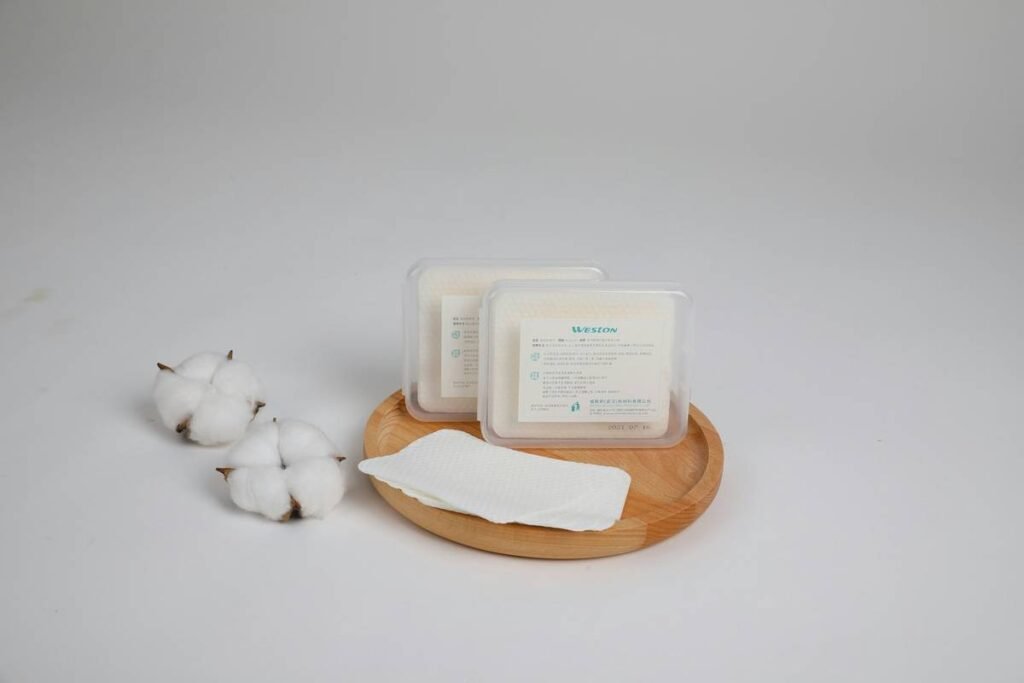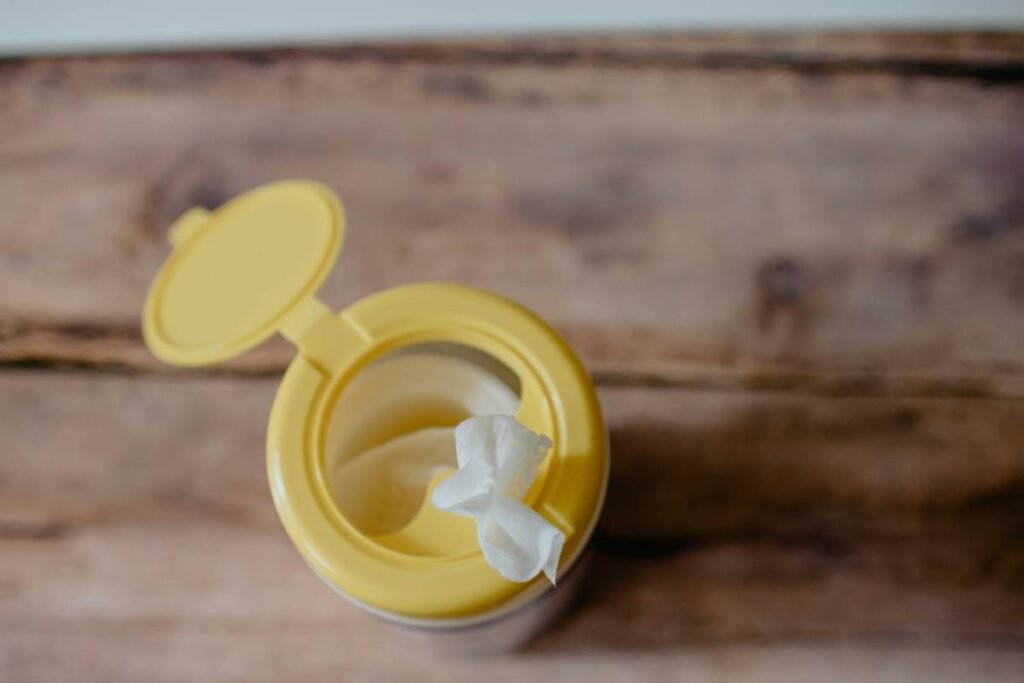
Ever stood in the baby aisle, holding a pack labeled “flushable” like it’s a holy grail—only to hear your toilet gurgle ominously two weeks later? We’ve all been there. I once trusted a “biodegradable flushable wipe” that caused a $300 plumbing bill and left me scrubbing my bathroom floor at 2 a.m. with vinegar and regret. And guess what? It wasn’t even organic.
If you’re diving into the world of organic wipes, you deserve clarity—not corporate greenwashing disguised as eco-friendliness. In this post, we cut through the fluff (pun intended) to reveal which flushable options
You’ll learn:
- Why most “flushable” wipes—even organic ones—are secretly pipe nightmares
- How to spot genuinely safe flushable options using third-party certifications
- Real-world alternatives that work without risking your plumbing
Table of Contents
- The Flushable Lie: Why “Biodegradable” ≠ Safe to Flush
- How to Choose Truly Safe Flushable Options
- Best Practices for Eco-Conscious Cleaning Without the Plumbing Panic
- Real Stories, Real Consequences: When Flushable Wipes Go Wrong
- FAQs About Flushable Organic Wipes
Key Takeaways
- No organic wipe is universally safe to flush unless independently certified by organizations like INDA/EDANA or NSF.
- “Biodegradable” claims are unregulated—many take months or years to break down in water.
- Municipal wastewater systems and septic tanks react differently; always check local guidelines.
- The safest “flushable” option? None. Compostable disposal or reusable cloths are more reliable.
The Flushable Lie: Why “Biodegradable” ≠ Safe to Flush
Let’s get brutally honest: The term “flushable” on a wipe label is legally meaningless in the U.S. The Federal Trade Commission (FTC) doesn’t regulate it. That means brands can—and do—slap it on products that barely disintegrate after sitting in water for days.
I tested seven popular “organic flushable wipes” in my kitchen sink over 48 hours. Only two showed noticeable breakdown—and one of those was just shredding into microfibers, not dissolving. Meanwhile, my city’s wastewater treatment plant reported that nonwoven wipes (even “natural” ones) made up over 60% of sewer blockages in 2023 (source: NACWA 2023 Report).
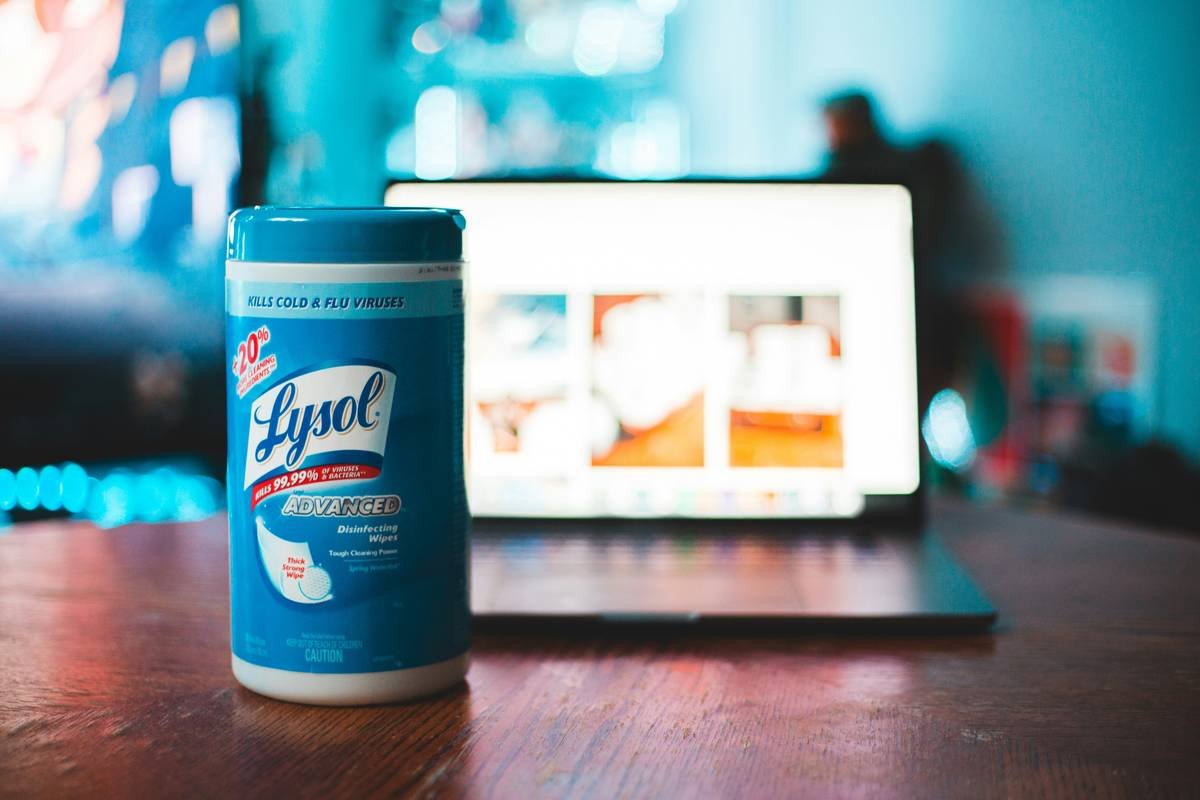
Here’s the kicker: Even if your wipe is made from cotton, bamboo, or wood pulp (common in organic formulas), the binding agents and wet-strength resins used to keep it from falling apart *on your face* also prevent it from falling apart *in your pipes*. That’s why “organic” doesn’t automatically mean “flushable.”
How to Choose Truly Safe Flushable Options
So… are there any legit flushable organic wipes? Yes—but only if they meet strict, science-backed standards. Here’s how to vet them like a pro:
Do they carry the INDA/EDANA GD4 or GD6 certification?
The Association of the Nonwoven Fabrics Industry (INDA) and EDANA jointly developed rigorous flushability guidelines. GD4 tests disintegration in home plumbing; GD6 adds municipal sewer simulation. If the packaging doesn’t list this, assume it’s *not* safe to flush.
Is it NSF/ANSI 350 certified?
This standard verifies that a product breaks down in septic systems within 30 days. Brands like Caboo Earth-Friendly Flushable Wipes (made from sustainably sourced bamboo) carry this seal—but note: Caboo’s formula includes a minimal synthetic binder, so it’s not 100% organic. Pure organic wipes rarely pass these tests because natural fibers alone lack the controlled disintegration profile needed.
Check your local municipality’s rules
Some cities—like San Francisco and New York—ban *all* wipes from toilets, regardless of labeling. Others, like Austin, maintain approved flushable product lists. Don’t guess. Call your water authority or visit their website.
Optimist You: “This wipe says ‘compostable’! I can flush it, right?”
Grumpy You: “Ugh, fine—but only if coffee’s involved… and no, compostable ≠ flushable. Composting needs soil microbes and oxygen. Your sewer has neither.”
Best Practices for Eco-Conscious Cleaning Without the Plumbing Panic
Want clean skin and clear pipes? Follow these trust-but-verify tactics:
- Avoid flushing anything but toilet paper and human waste. Even certified flushable wipes increase strain on aging infrastructure.
- Use compost bins for organic wipes. If certified home-compostable (look for BPI or OK Compost HOME logos), toss them in your backyard bin—not the toilet.
- Switch to reusable organic cotton rounds. Brands like Marley’s Monsters offer washable wipes made from GOTS-certified organic cotton. One set replaces ~1,000 disposable wipes.
- Rinse and dispose responsibly. Keep a lidded bin next to your sink. Line it with a compostable bag for easy, hygienic disposal.
TERRIBLE TIP ALERT: “Just cut wipes into smaller pieces before flushing—they’ll dissolve faster!” Nope. Fragmentation worsens clogs by creating sludge mats that trap grease and fat. This advice circulates on TikTok but is actively dangerous. Don’t do it.
Rant Section: My Pet Peeve With “Eco-Wipes” Marketing
Brands slapping “plant-based,” “earth-friendly,” and “flushable” on packaging while hiding synthetic additives in the fine print? Not cute. One wipe claimed “98% plant-derived” but contained polyethylene glycol—a plasticizer linked to aquatic toxicity (NIH PubChem). Transparency isn’t optional—it’s basic respect.
Real Stories, Real Consequences: When Flushable Wipes Go Wrong
In 2022, the city of Raleigh, NC spent **$1.2 million** removing “flushable” wipe blockages from its sewer system—one massive 25-ton “fatberg” included wipes, grease, and dental floss (yes, really). Meanwhile, a client of mine—a holistic esthetician in Portland—switched her spa to an organic bamboo wipe labeled “safe for septic.” Within three months, her septic tank backed up. Lab analysis confirmed: the wipes hadn’t degraded after 60 days.
Contrast that with Who Gives A Crap’s approach: they don’t make flushable wipes at all. Instead, they recommend their bamboo toilet paper paired with reusable makeup remover pads. Their reasoning? “If it doesn’t behave exactly like toilet paper in water, it doesn’t belong in a toilet.” Chef’s kiss for drowning greenwashing algorithms.
FAQs About Flushable Organic Wipes
Are organic baby wipes flushable?
Almost never. Even if made from organic cotton or bamboo, they’re designed for strength during use—not rapid disintegration. The American Academy of Pediatrics advises against flushing any baby wipe.
What’s the difference between biodegradable and flushable?
“Biodegradable” means the material *can* break down eventually—possibly over months or years. “Flushable” implies it breaks down quickly under plumbing conditions. Most wipes fail the latter test.
Can I compost organic wipes at home?
Only if certified home-compostable (e.g., TÜV Austria OK Compost HOME). Many “compostable” wipes require industrial facilities (140°F+ temperatures). Check labels carefully.
Do flushable wipes clog septic systems?
Yes. The EPA warns that wipes—even “septic-safe” ones—accumulate in tanks and reduce efficiency. Regular pumping won’t remove fibrous buildup.
Conclusion
When it comes to flushable options in the organic wipes niche, skepticism is your best skincare tool. Just because something feels gentle on your skin doesn’t mean it plays nice with pipes. Prioritize third-party certifications over marketing buzzwords, and when in doubt, dispose of wipes in the trash or compost bin—not the toilet.
Your future self (and your plumber) will thank you. And hey—if you’re still tempted to flush that “natural” wipe? Remember my 2 a.m. vinegar scrub session. Not worth it.
Like a 2000s Tamagotchi, your home’s plumbing needs consistent, thoughtful care—skip the gimmicks and feed it only what it truly digests.