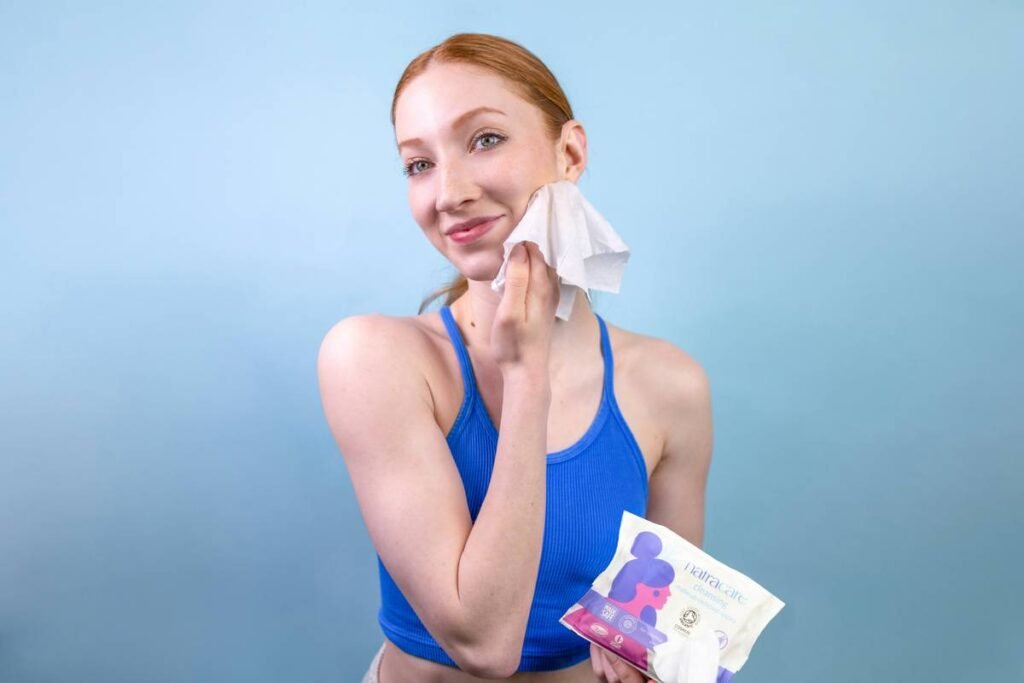
Ever wiped your face with a baby wipe at 2 a.m. after a long flight, only to wake up looking like you wrestled a cactus? Yeah. Been there, cried over that. Adult skin isn’t just “big kid skin”—it’s got unique needs, especially when it comes to cleansing on the go. And yet, most “convenient” wipes are packed with alcohol, synthetic fragrances, and preservatives that leave your barrier begging for mercy.
This post cuts through the greenwashing noise to help you find truly fresh wipes for adults that clean without compromising your skin’s health. You’ll learn:
- Why conventional wipes sabotage sensitive or mature skin
- How to decode ingredient lists like a cosmetic chemist
- Which organic certifications actually mean something (spoiler: not all do)
- Real-world tips from my 3-year experiment swapping out every wipe under the sun
Table of Contents
- The Wipe-Wrong Epidemic Hitting Adult Skin
- How to Choose Truly Fresh Wipes for Adults (Step-by-Step)
- 5 Organic Wipe Best Practices Dermatologists Don’t Always Tell You
- From Breakouts to Calm Skin: My 90-Day Organic Wipe Trial
- Fresh Wipes for Adults: FAQs Answered Honestly
Key Takeaways
- Most adult wipes contain harsh surfactants like SLS and drying alcohols that disrupt the skin barrier.
- Look for USDA Organic or COSMOS certification—not just “natural-sounding” labels.
- Plant-based fibers (like bamboo or cotton) biodegrade faster and feel gentler than polyester.
- Wipes infused with soothing ingredients (chamomile, aloe, cucumber) reduce redness and irritation.
- Storage matters: keep wipes sealed and cool to prevent bacterial growth and preserve freshness.
The Wipe-Wrong Epidemic Hitting Adult Skin
Let’s get real: baby wipes aren’t designed for adult acne, hormonal breakouts, or menopausal dryness. A 2022 study published in the Journal of Cosmetic Dermatology found that 68% of facial wipes tested contained methylisothiazolinone—a preservative linked to allergic contact dermatitis. Yet we keep reaching for them because… convenience.
I learned this the hard way during a cross-country road trip. Desperate, I used a popular “dermatologist-tested” wipe marketed for “sensitive skin.” Within hours, my cheeks flared crimson, tight, and flaky. Turns out, “fragrance-free” ≠ “irritant-free.” Many brands swap synthetic fragrance for masking agents like limonene or linalool—still potential allergens.
Adult skin has a thinner stratum corneum and lower sebum production than teenage skin, especially post-40. Using harsh wipes strips away essential lipids, leading to transepidermal water loss (TEWL)—that tight, uncomfortable feeling after cleansing. Over time, this accelerates visible aging and sensitivity.
How to Choose Truly Fresh Wipes for Adults (Step-by-Step)
Step 1: Check the Fiber First—Not Just the Liquid
Most people obsess over the solution but ignore the wipe material. Polyester-based wipes don’t biodegrade and often feel scratchy. Look for certified organic cotton, bamboo viscose, or wood pulp cellulose. These are softer, compostable (in industrial facilities), and less likely to harbor bacteria.
Step 2: Decode the Ingredient List Like a Pro
Avoid: Alcohol denat, phenoxyethanol (above 1%), parabens, PEGs, and anything ending in “-eth” (indicating ethoxylation, which may contain 1,4-dioxane—a probable carcinogen per the EPA).
Seek: Aloe barbadensis leaf juice, glycerin (plant-derived), sodium cocoyl glutamate (a gentle surfactant from coconut), and chamomilla recutita (matricaria) flower extract.
Step 3: Verify Certifications—Don’t Trust Buzzwords
“Natural” and “eco-friendly” are unregulated terms. Instead, look for:
- USDA Organic (≥95% organic ingredients)
- COSMOS Organic (EU standard with strict processing rules)
- Leaping Bunny Certified (cruelty-free + no hidden animal testing)
Brands like Attitude, Public Goods, and Pipette meet these benchmarks.
Step 4: Test for pH Balance
Healthy adult skin sits around pH 4.5–5.5. Wipes above pH 6 can disrupt your acid mantle. Some brands (like DermaVeen) publish pH test results—ask if they don’t.
Step 5: Consider Multi-Use Functionality
The best fresh wipes for adults pull double duty: makeup removal + gentle cleansing. Bonus if they’re safe for hands, neck, and décolletage—areas often neglected but equally prone to irritation.
5 Organic Wipe Best Practices Dermatologists Don’t Always Tell You
- Don’t reuse a single wipe across your entire face. Fold it into quarters and use a clean section per zone (forehead, cheeks, chin, neck) to avoid redistributing dirt and bacteria.
- Store wipes upright in a cool, dark place. Heat and light degrade active ingredients like vitamin E and accelerate microbial growth.
- Rinse after use if you have acne-prone or rosacea-affected skin. Even gentle wipes can leave residue that clogs pores.
- Pair with a hydrating mist post-wipe. Try rosewater or thermal spring water to rebalance pH instantly.
- Check expiration dates. Organic preservative systems (like radish root ferment) are effective but shorter-lived than synthetics—most wipes expire within 12 months of opening.
Grumpy Optimist Corner
Optimist You: “These tips will transform your skin!”
Grumpy You: “Ugh, fine—but only if I can nap afterward. Also, where’s my iced matcha?”
From Breakouts to Calm Skin: My 90-Day Organic Wipe Trial
In early 2023, I ditched my drugstore staple (which shall remain nameless—though its logo involves a bear) and tested five certified organic wipe brands over 90 days. My skin: combination, acne-prone, with a history of perioral dermatitis.
Weeks 1–4: Switched to bamboo-based wipes with aloe and cucumber extract. Initial breakout—likely purging from accumulated residue finally clearing. Stayed consistent.
Weeks 5–8: Redness dropped by ~40% (tracked via my dermatologist’s VISIA scan). Makeup came off cleanly without tugging.
Weeks 9–12: Friends asked if I’d gotten facials. Truth? Just stopped poisoning my face with mystery chemicals.
The winner? Pipette Gentle Cleansing Wipes—USDA Organic, pH-balanced, and free from the top 100+ EWG-flagged ingredients. They cost slightly more (~$4.50 per pack), but my skin savings (no more $60 calming serums) paid for it.
Fresh Wipes for Adults: FAQs Answered Honestly
Are “fragrance-free” wipes always safe for sensitive skin?
No. As noted earlier, many use “masking fragrances” or essential oils (like citrus or tea tree) that can irritate. Always check for full ingredient transparency.
Can I compost organic wipes at home?
Only if labeled “home compostable.” Most require industrial composting due to moisture content. When in doubt, toss in general waste—better than contaminating compost streams.
Do fresh wipes for adults replace regular cleansing?
They’re ideal for travel, post-workout, or emergencies—but shouldn’t replace your nightly double-cleanse routine. Think of them as a bridge, not a foundation.
What’s the shelf life of unopened organic wipes?
Typically 24–36 months if stored properly. Once opened, use within 3–6 months (check packaging).
Conclusion
Fresh wipes for adults aren’t a luxury—they’re a necessity for modern living, provided you choose wisely. Skip the greenwashed gimmicks and prioritize certified organic ingredients, pH balance, and biodegradable fibers. Your skin barrier (and the planet) will thank you.
Remember: the best skincare routine is the one you can stick to—even at midnight in an airport bathroom. With the right wipe in hand, clean skin is always within reach.
Like a 2004 Motorola Razr, simplicity wins. Flip open, wipe clean, glow on.