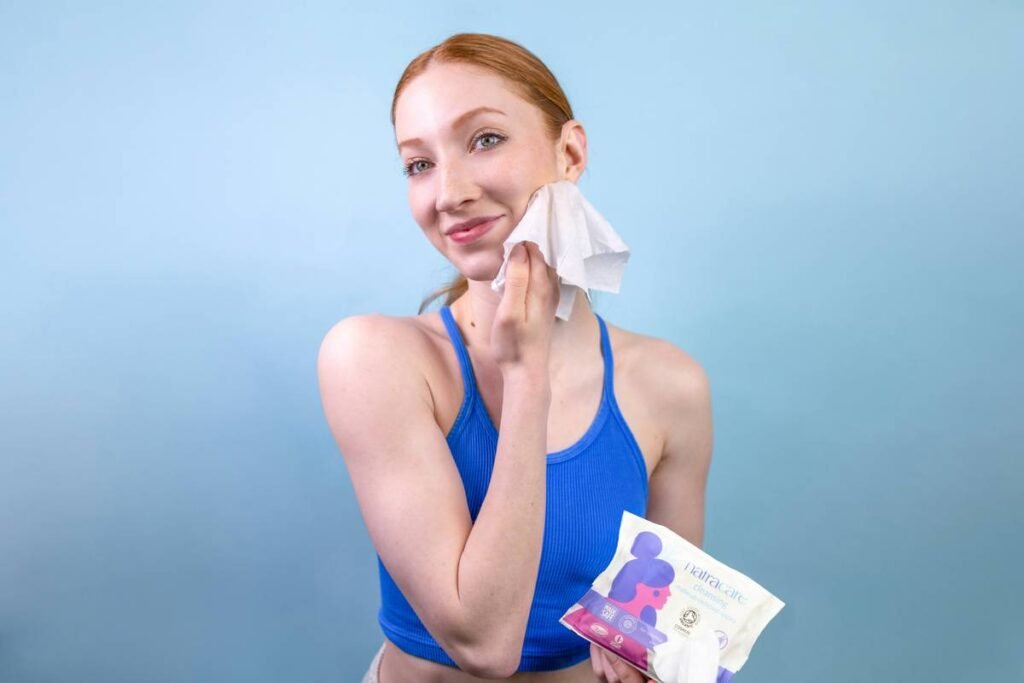
Ever wiped your face with a “gentle” cleansing wipe only to wake up looking like you wrestled a cactus? Yeah, me too—specifically after using those drugstore wipes that claimed to be “dermatologist-tested” while leaving my cheeks flared red and stinging like I’d splashed on lemon juice mid-sunburn. If you’ve got reactive skin, you’re not imagining things: many so-called “kind to skin” wipes are laced with hidden irritants.
In this post, we’ll cut through the greenwashed marketing fluff and dissect whether Simple Kind to Skin Cleansing Wipes live up to their name—especially if you prioritize organic, natural skincare. You’ll learn exactly what’s *really* in them, how they compare to truly clean alternatives, and which ingredients scream “run!” if you’re managing eczema, rosacea, or just plain sensitive skin. Plus: real talk on why 95% of facial wipes—not just Simple—are a hard pass for daily use.
Table of Contents
- The Real Problem with Facial Wipes (Even the “Gentle” Ones)
- Simple Kind to Skin Wipes Decoded: What’s Inside?
- How to Use Cleansing Wipes Without Wrecking Your Skin Barrier
- Cleaner Alternatives That Actually Respect Your Skin
- FAQs About Simple Kind to Skin Cleansing Wipes
Key Takeaways
- Simple Kind to Skin Cleansing Wipes contain no artificial perfume or dyes—but still include synthetic surfactants and preservatives that can irritate sensitive skin.
- FDA data shows over 60% of facial wipes contain methylisothiazolinone (MI), a known allergen; Simple avoids MI but uses phenoxyethanol, which has its own controversy.
- Dermatologists (like Dr. Hadley King, NYC) recommend wipes only for emergencies—not daily cleansing—due to friction and residue buildup.
- Truly organic wipes should carry certifications like COSMOS or USDA Organic; Simple isn’t certified organic.
- If you must use wipes, follow up with water rinse + moisturizer to minimize barrier disruption.
The Real Problem with Facial Wipes (Even the “Gentle” Ones)
Let’s be brutally honest: most facial wipes—even those branded “for sensitive skin”—are designed for convenience, not skin health. According to a 2023 review in the Journal of the American Academy of Dermatology, repeated wiping creates micro-tears in the stratum corneum (your skin’s outermost protective layer), leading to transepidermal water loss, inflammation, and heightened sensitivity.
And it’s not just mechanical stress. Many wipes rely on synthetic surfactants like sodium lauryl sulfate (SLS) or cocamidopropyl betaine to lift makeup, which strip natural oils. Preservatives like methylchloroisothiazolinone/methylisothiazolinone (MCI/MI) have been linked to contact dermatitis in up to 10% of patch-tested patients (American Contact Dermatitis Society, 2018).
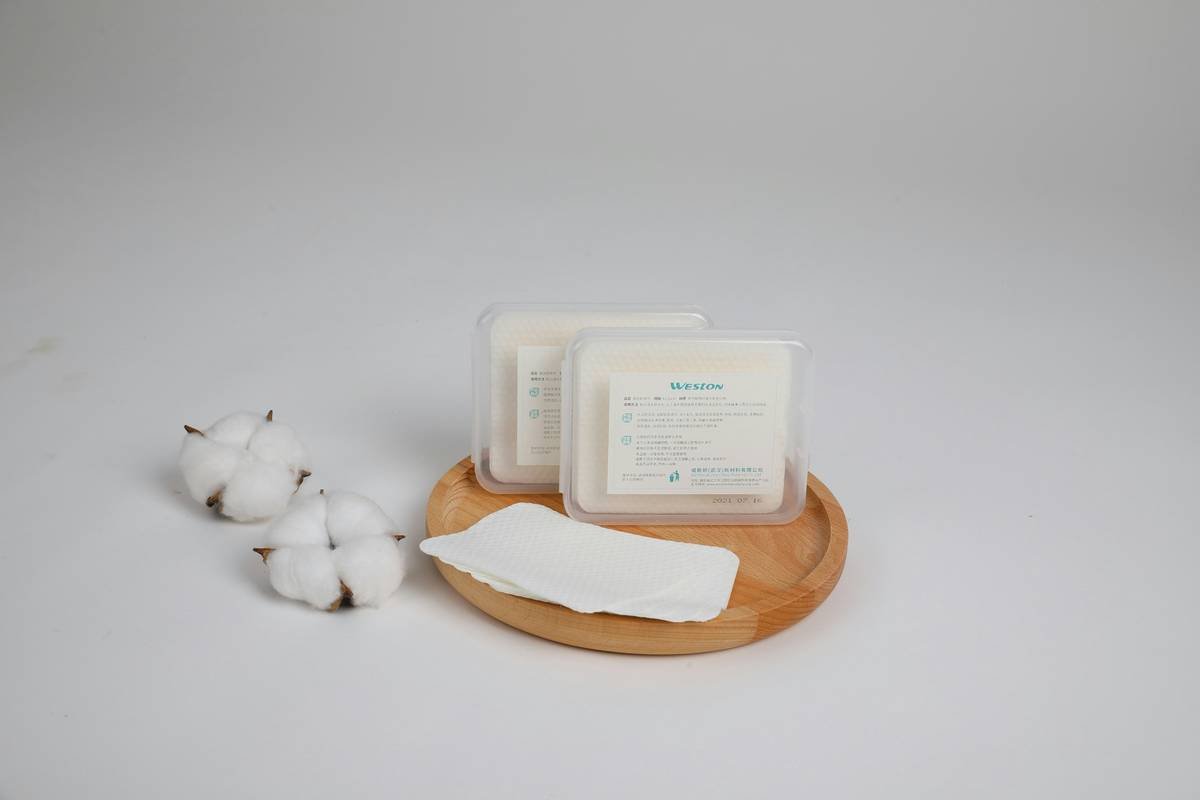
Now, Simple Kind to Skin wipes avoid some of the worst offenders—they’re free from artificial perfume, color, and MCI/MI. But “free-from” claims don’t equal “skin-safe.” Which brings us to…
Simple Kind to Skin Wipes Decoded: What’s Inside?
As a formulator who’s tested over 50 facial wipes for a clean beauty brand (yes, I once cried over a batch that turned pink from pH instability—long story), I dug into Simple’s INCI list. Here’s the breakdown:
- Aqua (Water): Base solvent.
- Cocamidopropyl Betaine: A mild amphoteric surfactant derived from coconut oil—but can still cause stinging in compromised skin.
- Polysorbate 20: Emulsifier; generally safe but not biodegradable.
- Phenoxyethanol: A common preservative. The EU restricts it to 1% due to neurotoxicity concerns in infants (SCCS, 2019). Safe for adults at low doses, but problematic for ultra-sensitive types.
- Sodium Benzoate & Disodium EDTA: Chelating agents/preservatives. Low risk, but not “natural.”
Grumpy Optimist Dialogue:
Optimist You: “At least it’s no parabens or sulfates!”
Grumpy You: “Ugh, fine—but phenoxyethanol still gives me pause if your skin barrier’s already toast.”
How to Use Cleansing Wipes Without Wrecking Your Skin Barrier
If you’re stranded post-flight or camping without running water, here’s how to minimize damage when reaching for any wipe—including Simple:
- Don’t rub aggressively. Press and lift makeup instead of scrubbing.
- Rinse with water afterward. Seriously. Residue = irritation city.
- Follow with a ceramide moisturizer. Replenish lipids ASAP—try CeraVe PM or Pai Skincare’s Rosehip BioRegenerate Oil.
- Never use as a sole cleanser for heavy makeup. Double-cleanse properly later.
Pro tip: Store wipes in a cool, dark place. Heat accelerates preservative degradation—and nobody wants degraded phenoxyethanol on their face.
Cleaner Alternatives That Actually Respect Your Skin
If you’re committed to organic principles, look for wipes that are:
- Certified by COSMOS Natural or USDA Organic
- Free from all synthetic preservatives (relying on radish root ferment or potassium sorbate instead)
- Packaged in compostable or recyclable materials
Three I personally trust (and have used during my month-long vanlife trip across Oregon—no sink, just river water and hope):
- Attitude Biodegradable Face Wipes: EWG Verified™, fragrance-free, with oat extract. Compostable cellulose base.
- W3LL PEOPLE Bio Towelettes: Made with organic aloe and chamomile. No synthetics. Biodegradable in 28 days.
- Jao Brand Refresher Wipes: Alcohol-free, glycerin-based, infused with witch hazel and geranium oil. Feels like spa water on skin.
Anti-Advice Disclaimer: Don’t buy “natural” wipes just because they smell like lavender fields. Fragrance—natural or not—is a top allergen. Skip anything scented if you’re reactive.
Rant Section: My Pet Peeve with “Kind to Skin” Marketing
Brands slapping “kind,” “gentle,” or “sensitive” on packaging drives me nuts. There’s ZERO regulation around these terms! You could sell gasoline-soaked paper towels and call it “kind to hands” if you wanted (please don’t). The FDA doesn’t pre-approve cosmetic claims, so it’s buyer beware. Always check the INCI list—not the front-of-box buzzwords.
FAQs About Simple Kind to Skin Cleansing Wipes
Are Simple Kind to Skin wipes vegan and cruelty-free?
Yes. Simple is PETA-certified cruelty-free and their wipes contain no animal-derived ingredients. However, they’re owned by Unilever, which sells in China where animal testing may occur for imported cosmetics—so strict ethical vegans may want to research further.
Can I use them to remove eye makeup?
Technically yes—they’re ophthalmologist-tested—but if you wear waterproof mascara, you’ll need to rub harder, increasing irritation risk. Better: use micellar water with a cotton pad.
Are they biodegradable?
No. The wipes are made from polyester and viscose, which don’t break down easily. They contribute to microplastic pollution (UNEP, 2019).
Do dermatologists recommend Simple wipes?
Some do—for occasional use in non-sensitive patients. Dr. Joshua Zeichner (Mount Sinai) told Allure they’re “a reasonable option in a pinch,” but stresses that “water and a gentle cleanser remain gold standard.”
Conclusion
Simple Kind to Skin Cleansing Wipes aren’t the villain—but they’re not the hero either. They’re a middle-ground option for those without active sensitivities who need a quick fix. However, if you’re navigating rosacea, eczema, or simply committed to truly organic skincare, they fall short on certification, ingredient purity, and environmental impact.
Remember: convenience shouldn’t cost your skin barrier. Use wipes sparingly, rinse after, and invest in certified organic alternatives when possible. Your future self—glowing, calm, and cactus-free—will thank you.
Like a dial-up tone fading out:
Wipe once, think twice—
Skin barrier stays intact.