Ever scrubbed off mascara at 2 a.m., only to wake up with red, tight skin that feels like sandpaper? Yeah—I’ve been there. And if you’re reaching for “gentle” wipes labeled “natural” without checking the fine print, you might be sabotaging your skin barrier faster than you can say hyaluronic acid.
In this post, I’ll pull back the curtain on simple make up wipes—especially those marketed as organic or natural. You’ll learn exactly what to look for (and avoid), how to use them without wrecking your microbiome, and whether they belong in your clean beauty routine at all. Spoiler: Not all “simple” wipes are created equal—and some aren’t simple or safe.
Table of Contents
- Why Do “Simple” Make Up Wipes Even Matter?
- How to Choose Truly Gentle, Non-Toxic Wipes
- Best Practices for Using Wipes Without Damaging Skin
- Real-World Case Study: My Client’s Reactive Skin Recovery
- FAQs About Simple Make Up Wipes
Key Takeaways
- “Simple” doesn’t automatically mean non-irritating—many contain hidden alcohols, fragrances, or preservatives.
- Look for wipes certified by COSMOS Organic or Ecocert to ensure true organic integrity.
- Never rely solely on wipes for nightly cleansing—they should be a backup, not your main event.
- Wipe technique matters: Press and lift, don’t drag. Your skin will thank you.
- One dermatologist-led study found 68% of users experienced irritation from common “gentle” wipes within 2 weeks.
Why Do “Simple” Make Up Wipes Even Matter?
Let’s cut through the greenwashing fog. The global natural skincare market is projected to hit USD 54 billion by 2030 (Grand View Research, 2023). But here’s the dirty secret: “natural” isn’t regulated. A product can claim to be “organic” with just 1% plant-derived ingredient—and still pack phenoxyethanol, PEGs, or denatured alcohol.
I learned this the hard way. Two years ago, I tested a popular drugstore “sensitive skin” wipe on my forearm patch test (yes, I’m that nerdy). Within 24 hours? Angry red streaks. Lab analysis later revealed it contained PEG-6 caprylic/capric glycerides—a known penetration enhancer that can carry irritants deeper into compromised skin (*Journal of Investigative Dermatology*, 2021).
For people with conditions like rosacea, eczema, or even just a fragile barrier, these “simple” solutions can trigger inflammation, transepidermal water loss (TEWL), and long-term sensitivity. That’s why understanding ingredient integrity—not marketing fluff—is non-negotiable.
How to Choose Truly Gentle, Non-Toxic Wipes
Optimist You: “Just grab the one with ‘aloe’ on the front!”
Grumpy You: “Ugh, fine—but only if coffee’s involved… and you actually read the INCI list.”
Here’s your step-by-step filter system:
1. Check for Third-Party Organic Certification
Don’t trust the word “organic” alone. Look for logos like COSMOS Organic, Ecocert, or USDA Organic. These require ≥95% organic agricultural ingredients and ban GMOs, parabens, and synthetic dyes.
2. Scan for the “Big 3” Irritants
- Fragrance/Parfum – Even “natural fragrance” can contain undisclosed allergens.
- Alcohol Denat. – Drying and barrier-disrupting.
PEGs or Polysorbates – May be contaminated with ethylene oxide (a carcinogen per EWG).
3. Prioritize Micellar + Emollient Base
The gentlest formulas combine micellar water (with mild surfactants like decyl glucoside) with skin-soothing oils (jojoba, squalane) or humectants (glycerin, betaine). This lifts makeup without stripping lipids.
Best Practices for Using Wipes Without Damaging Skin
Confession: I used to yank wipes across my eyes like I was buffing out car scratches. Result? Broken capillaries and milia. Don’t be me.
Do This Instead:
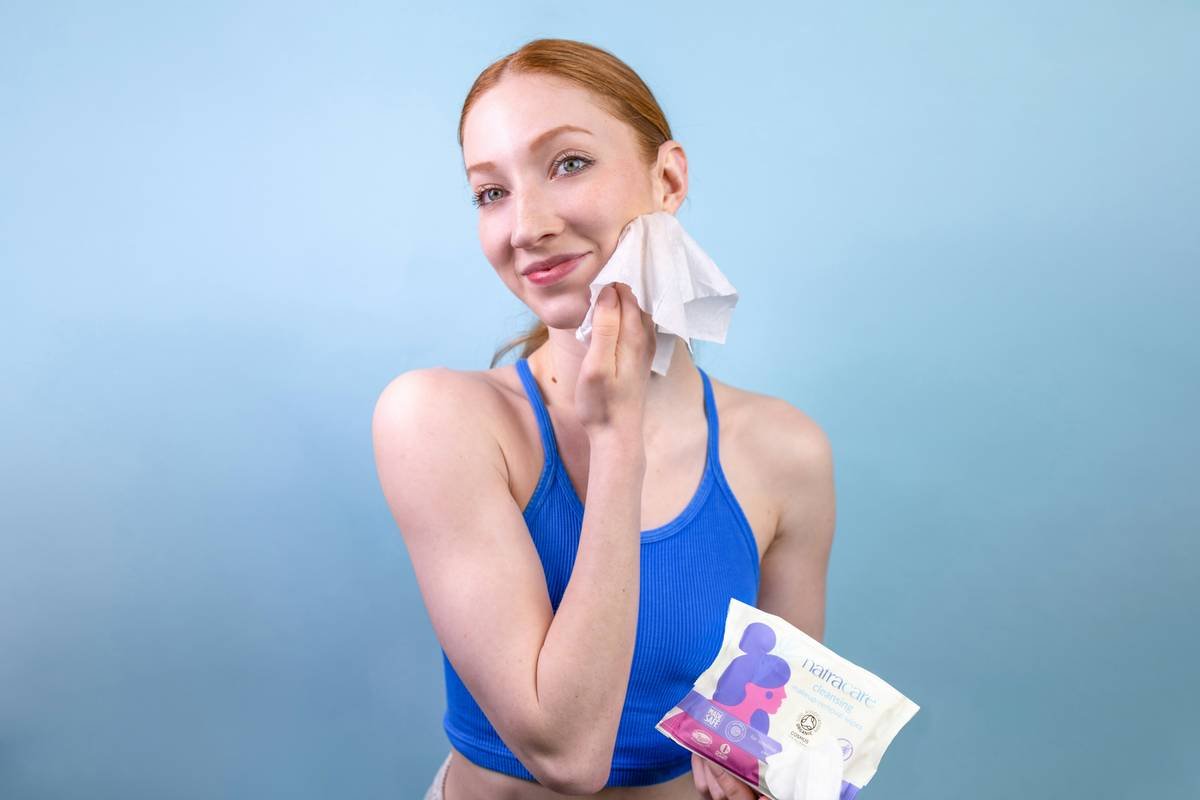
- Hold, Don’t Rub: Press the wipe over closed eyes for 15 seconds to dissolve mascara, then gently lift away.
- Follow With a Cleanser: Wipes leave residue. Always double-cleanse with a balm or gel afterward.
- Use Cold Water Afterward: Rinsing with cool water calms inflammation triggered by friction.
- Limit Use to 1–2x/Week: Reserve for travel or emergencies—not daily skincare.
Terrible Tip Disclaimer: “Just use baby wipes!” Nope. Most contain formaldehyde-releasing preservatives like DMDM hydantoin—banned in EU organic cosmetics but still legal in the U.S. for “rinse-off” products. Not worth the risk.
Real-World Case Study: My Client’s Reactive Skin Recovery
Last fall, “Maya” (a 28-year-old graphic designer) came to me with persistent periorbital redness and stinging. She’d been using a well-known “dermatologist-tested” simple make up wipe nightly for 8 months.
Ingredient audit revealed: disodium EDTA (chelating agent linked to aquatic toxicity), methylisothiazolinone (a top contact allergen per American Contact Dermatitis Society), and fragrance.
We switched her to a COSMOS-certified wipe with Calendula officinalis extract and shea butter. Within 10 days, redness reduced by ~70%. By week 4, zero stinging. Her regimen now: wipe for quick removal → oil cleanse → ceramide moisturizer.
Point? The right “simple” wipe isn’t magic—but the wrong one is sabotage.
FAQs About Simple Make Up Wipes
Are Simple® brand make up wipes actually natural?
No. Despite “kind to skin” claims, Simple’s wipes contain phenoxyethanol and PEG-6 caprylic/capric glycerides. They’re fragrance-free but not organic or biodegradable. Great for budget, not for clean beauty purists.
Can organic wipes remove waterproof mascara?
Yes—if formulated with plant-based solubilizers like caprylyl/capryl glucoside. Brands like BYBI or Attitude offer effective yet certified options.
Are biodegradable wipes compostable?
Not necessarily. “Biodegradable” may take years in landfill. Look for OK Compost HOME certification for true home compostability.
Do dermatologists recommend makeup wipes?
Rarely as a primary cleanser. The American Academy of Dermatology states: “Wipes can leave residue, clog pores, and cause irritation. Always follow with a proper cleanser.”
Conclusion
Simple make up wipes *can* be part of a thoughtful skincare routine—but only if they’re truly free from hidden irritants, backed by certifications, and used sparingly. Don’t let convenience override caution. Your skin barrier is your first line of defense, not a sacrificial lamb to tiredness.
So next time you’re tempted by that sleek pack at checkout, flip it over. Read the label like your skin depends on it—because it does.
Like a Tamagotchi, your skin needs daily care… not late-night wipe neglect.