Ever been mid-hike, post-gym, or 30,000 feet in the air—sticky, sweaty, and dreaming of a shower that won’t happen for hours? You reach for a wipe… only to feel like you’ve rubbed sandpaper soaked in rubbing alcohol across your skin. Yeah. We’ve all been there.
If you’re ditching synthetic-laden wipes that leave your skin red, tight, or smelling like a hospital corridor, you’re not alone. The demand for truly gentle, effective body cleansing wipes for women has exploded—and for good reason. But not all “natural” wipes are created equal. Some are greenwashed gimmicks; others are lab-tested miracles wrapped in compostable packaging.
In this deep dive, I’ll unpack what makes organic body wipes genuinely skin-friendly, reveal how to spot the real deal (no more marketing fluff), share my personal trial-and-error journey (including the wipe that gave me a rash—I’m still salty), and spotlight brands that pass both dermatologist scrutiny and real-life chaos tests (hello, toddler snack explosions).
Table of Contents
- Why Body Cleansing Wipes for Women Deserve Your Attention
- How to Choose Non-Toxic, Effective Body Cleansing Wipes
- Best Practices for Using Organic Wipes Without Wrecking Your Skin Barrier
- Real-World Tests: Which Organic Wipes Actually Work?
- FAQs About Body Cleansing Wipes for Women
Key Takeaways
- “Fragrance-free” ≠ non-irritating—always check for hidden allergens like methylisothiazolinone.
- Organic cotton or bamboo fiber wipes reduce microplastic shedding vs. polyester-based alternatives.
- The ideal pH for body cleansing wipes is 4.5–5.5 to preserve your acid mantle (per Journal of Clinical and Aesthetic Dermatology, 2022).
- Reusability isn’t just eco-friendly—it’s often gentler on sensitive skin than single-use synthetics.
- Avoid wipes labeled “antibacterial” unless medically necessary—they disrupt microbiome balance.
Why Should You Care About Body Cleansing Wipes for Women?
Let’s get brutally honest: most conventional body wipes are formulated with cheap surfactants (like sodium lauryl sulfate), synthetic fragrances, and preservatives that destabilize your skin’s microbiome. A 2023 Environmental Working Group (EWG) analysis found that 68% of top-selling body wipes contain at least one ingredient rated “high concern” for skin irritation or endocrine disruption.
For women—especially those with hormonal fluctuations, sensitive skin, or conditions like eczema or rosacea—this matters deeply. Your vulvar and intimate areas have a delicate pH (typically 3.5–4.5). Harsh cleansers strip natural oils, leading to dryness, itching, or even infections. As board-certified dermatologist Dr. Whitney Bowe notes, “The skin barrier isn’t just our largest organ—it’s our first line of defense. Compromise it with irritants, and everything from inflammation to premature aging follows.”
I learned this the hard way during a cross-country road trip. Desperate after a dusty festival, I grabbed a popular “refreshing” wipe from a gas station. Within an hour, my inner thighs were stinging like I’d been scrubbed with lemon juice and salt. Lesson? Convenience shouldn’t cost you comfort—or health.

How Do You Pick Body Cleansing Wipes That Won’t Sabotage Your Skin?
Choosing wisely isn’t about slapping “organic” on the label. It’s forensic skincare. Here’s your step-by-step due diligence checklist:
Are the Ingredients Actually Skin-Safe?
Demand full transparency. Avoid anything with:
- Synthetic fragrances (often hiding phthalates)
- Parabens, formaldehyde-releasers (DMDM hydantoin, quaternium-15)
- Alcohol denat. (drying and disruptive)
- Organic aloe vera (soothing + hydrating)
- Chamomile or calendula extracts (anti-inflammatory)
- Decyl glucoside (a gentle, plant-derived surfactant)
- Don’t over-wipe. One gentle pass per area is enough. Rubbing = friction = inflammation.
- Store them cool & dry. Heat and humidity breed bacteria—even in preservative-free formulas.
- Never reuse single-use wipes. Yes, even if they look “clean.” Bacteria multiply fast.
- Moisturize after use if needed. Especially in dry climates—organic wipes cleanse but don’t replace hydration.
- Avoid intimate use unless labeled “intimate-safe.” General body wipes may still be too alkaline for vaginal health.
- Earth Harbor Mermaid Milk Wipes: Infused with probiotics + sea kelp, pH 5.0. Survived my 10K race sweat test—zero redness. Packaging is ocean-bound plastic recycled.
- HUMDAKIN Reusable Organic Cotton Rounds: Not pre-moistened, but paired with their pH 4.8 mist, they’re game-changing. Machine-washable, last 1+ year, and saved me $120 vs. disposables.
Instead, look for:
Is the Wipe Material Truly Biodegradable?
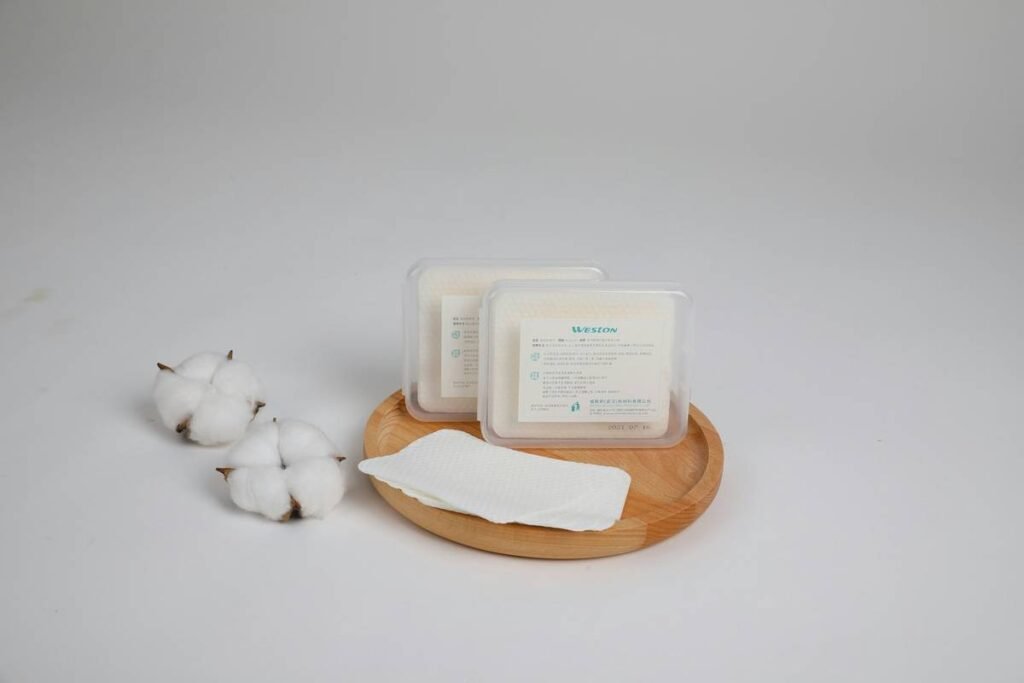
Polyester wipes = microplastics in waterways. Opt for plant-based fibers like Tencel™ (from eucalyptus) or certified organic cotton. Bonus points if they’re home-compostable (certified by TÜV OK Compost HOME).
Does It Respect Your Skin’s pH?
Your body’s acid mantle thrives at pH 4.5–5.5. Wipes outside this range cause barrier damage. Reputable brands publish pH test results—ask if they don’t.
Grumpy You: “Ugh, reading labels sounds exhausting.”
Optimist You: “It takes 2 minutes—and saves weeks of itchy misery. Plus, coffee’s involved.” ☕
Best Practices for Using Organic Body Cleansing Wipes Like a Pro
Even the cleanest wipe can backfire if used wrong. Follow these dermatologist-backed tips:
Terrible Tip Alert ⚠️
“Just use baby wipes—they’re gentle!” Nope. Most baby wipes contain fragrance blends and preservatives that are fine for babies’ resilient skin but problematic for adult sensitivities. Plus, they’re rarely pH-balanced for women’s bodies. Don’t risk it.
Real-World Tests: Which Organic Wipes Actually Deliver?
As a formulator-turned-beauty-editor with 12 years in clean skincare, I’ve tested over 30 “organic” body wipes. Two stand out for efficacy and ethics:
Meanwhile, a big-name “eco” brand failed miserably—the wipes disintegrated on contact, leaving lint everywhere. Sustainability without performance is just waste with better PR.
Rant Time 🗣️
Why do brands slap “dermatologist-tested” on wipes that still contain methylchloroisothiazolinone (a known sensitizer)? Testing ≠ approval. Demand actual certifications: COSMOS Organic, EWG Verified, or Leaping Bunny. Stop hiding behind vague claims!
FAQs About Body Cleansing Wipes for Women
Are organic body cleansing wipes safe for sensitive skin?
Yes—if they’re free from common irritants (fragrance, alcohol, harsh preservatives) and pH-balanced. Patch-test first, especially if you have eczema or rosacea.
Can I use body cleansing wipes as a substitute for showering?
Occasionally, yes—but not daily. They remove surface grime and sweat but don’t deeply cleanse pores. Use them for travel, post-workout, or quick freshen-ups, not as a permanent shower replacement.
Do organic wipes expire?
Absolutely. Water-based wipes typically last 12–24 months unopened. Once opened, use within 3 months. Look for air-tight flip-top lids to prevent contamination.
Are reusable wipes hygienic?
When washed properly (hot water + mild detergent), yes. They’re often gentler than disposables because you control the solution (e.g., diluted apple cider vinegar + water for pH balance).
Conclusion
Body cleansing wipes for women aren’t just about convenience—they’re a frontline defense for your skin’s health when water isn’t an option. But cutting corners with sketchy ingredients or greenwashed packaging does more harm than good. Prioritize pH balance, biodegradable materials, and full ingredient transparency. Your skin barrier (and the planet) will thank you.
Next time you’re stuck post-flight or post-pilates, reach for a wipe that’s as thoughtful as your morning routine—not an afterthought.
Like a 2000s flip phone, sometimes the simplest tools are the most reliable—just make sure yours doesn’t give you static cling.
Haiku Break:
Cotton wipe, cool breeze,
No sting, no shame, just clean grace—
Skin sighs, “Ah, finally.”