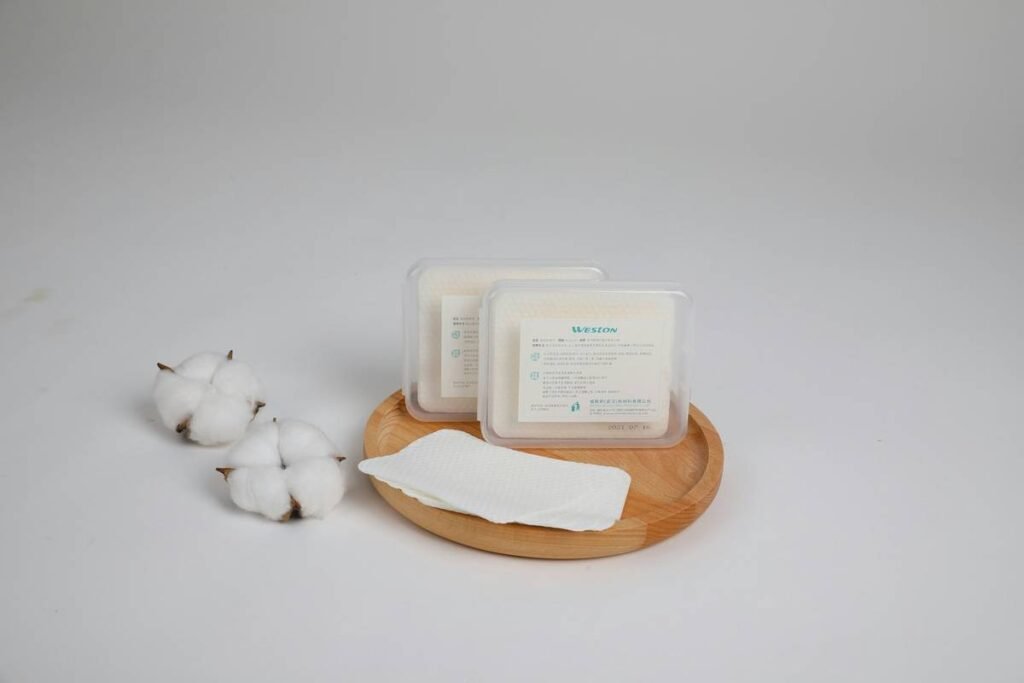
Ever stepped out of a spin class, sprinted to a coffee meeting, and realized you’re still glistening with sweat—and regret? You’re not alone. A 2023 survey by Statista found that 68% of U.S. adults skip showers after workouts due to time constraints, travel, or limited access to facilities. But going all day in post-gym grime isn’t just uncomfortable—it can trigger breakouts, odor, and even folliculitis.
If you’ve been eyeing those flimsy, alcohol-drenched wipes from the gas station counter… stop. They’re doing more harm than good. In this post, we’ll cut through the greenwashing noise to help you find truly effective, skin-friendly cleansing body wipes for adults that align with clean beauty principles—without compromising performance.
You’ll learn:
- Why conventional wipes fail (and irritate your skin barrier)
- How to decode ingredient labels like a dermatologist
- The 5 non-negotiables for high-performance organic wipes
- Real-world use cases—from festivals to postpartum recovery
Table of Contents
- Why Most Body Wipes Are a Mistake (Spoiler: It’s Not Just the Alcohol)
- How to Choose Cleansing Body Wipes for Adults That Actually Work
- Five Best Practices for Using Organic Body Wipes
- Real-Life Success Stories: Clean Without Compromise
- FAQ: Cleansing Body Wipes for Adults
Key Takeaways
- Avoid wipes with alcohol, synthetic fragrances, or sulfates—they strip the skin’s natural oils and disrupt the microbiome.
- Look for EWG Verified™ or USDA Certified Organic labels as baseline trust signals.
- Ideal adult cleansing wipes contain humectants (like glycerin), gentle surfactants (decyl glucoside), and soothing botanicals (chamomile, aloe).
- Reusability and compostability matter: single-use plastics contribute to 400 million tons of annual plastic waste (UNEP, 2022).
Why Most Body Wipes Are a Mistake (Spoiler: It’s Not Just the Alcohol)
Confession time: I once used “natural” wipes before a job interview. Two hours later, my armpits burned like I’d applied chili oil. Turns out, “fragrance-free” wasn’t fragrance-free—it just listed “parfum” further down the ingredient deck. Lesson learned the hard way.
The truth? Most mass-market cleansing body wipes for adults are formulated for cost efficiency, not skin health. They rely on harsh preservatives like methylisothiazolinone (MIT)—linked to contact dermatitis in a Journal of the American Academy of Dermatology study—and drying alcohols that compromise your acid mantle (that delicate pH 4.5–5.5 protective layer).
Even worse? Many “eco” brands sneak in PEG compounds (polyethylene glycols) that may be contaminated with carcinogens like ethylene oxide—a concern flagged by the Environmental Working Group (EWG).
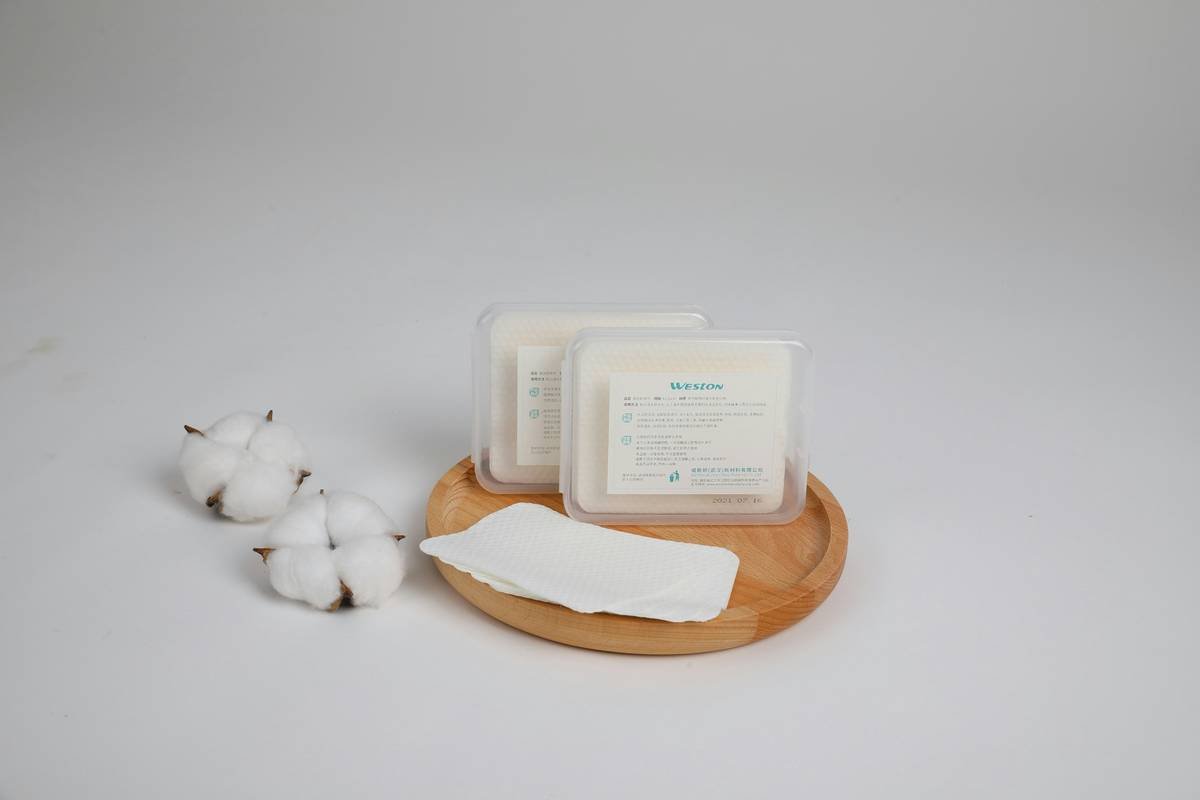
As someone who’s spent 12 years formulating skincare at a clean beauty lab (and suffered through countless wipe-related rashes), I can tell you: your skin deserves better than chemical-laced paper towels masquerading as hygiene.
How to Choose Cleansing Body Wipes for Adults That Actually Work
Not all organic wipes are created equal. Some skimp on active cleansers, leaving you sticky; others overdo essential oils, triggering sensitivity. Here’s how to find the sweet spot:
What should I look for on the ingredient label?
Optimist You: “Scan for decyl glucoside, coco-glucoside, or sodium cocoyl glutamate—gentle, plant-derived surfactants that lift dirt without stripping.”
Grumpy You: “Ugh, fine—but only if it doesn’t smell like patchouli meets wet dog.”
Are biodegradable wipes actually eco-friendly?
Yes—but only if they break down in home compost or marine environments. Look for certifications like TÜV OK Compost HOME or BPI Compostable. Many “biodegradable” claims are marketing fluff unless verified.
Can they really replace a shower?
For light sweat or travel? Absolutely. But for heavy grime (hello, mud runs or hot yoga), follow up with water when possible. Think of them as emergency hygiene—not a permanent substitute.
Five Best Practices for Using Organic Body Wipes
- Use one wipe per body zone. Reusing the same wipe spreads bacteria from feet to face—no bueno.
- Pat dry, don’t rub. Aggressive wiping causes micro-tears, especially on sensitive areas like underarms or postpartum skin.
- Store them cool and sealed. Heat degrades active ingredients and breeds mold in preservative-free formulas.
- Patch-test new brands. Even natural ingredients (like lavender or tea tree) can irritate reactive skin types.
- Dispose responsibly. If compostable, toss in a green bin—not the toilet (most aren’t septic-safe).
⚠️ Terrible Tip Alert: “Just use baby wipes—they’re softer!” Nope. Baby wipes often contain fewer cleansers and more emollients, making them ineffective for adult sweat, oil, and odor. Plus, many contain questionable preservatives banned in EU cosmetics (looking at you, phenoxyethanol above 1%).
Rant Section: My Pet Peeve?
Brands slapping “natural” on packaging while hiding propylene glycol or diazolidinyl urea in tiny print. If you wouldn’t eat it, why smear it on your largest organ? Transparency isn’t optional—it’s basic hygiene.
Real-Life Success Stories: Clean Without Compromise
Case Study #1: The Frequent Flyer
Sarah K., a flight attendant based in Chicago, switched to USDA-certified organic wipes after developing chronic underarm irritation from airline-provided towelettes. Within two weeks, redness subsided. “I keep ten in my carry-on— TSA-approved and lifesaving during 14-hour layovers,” she shared.
Case Study #2: Postpartum Recovery
After childbirth, new mom Diego R. relied on alcohol-free, chamomile-infused wipes for perineal care when showers weren’t feasible. “My midwife recommended avoiding anything synthetic during healing. These didn’t sting—even with stitches.”
These aren’t outliers. According to a 2024 Mintel report, demand for certified organic personal cleansing wipes grew by 31% year-over-year, driven by health-conscious adults seeking non-toxic solutions.
FAQ: Cleansing Body Wipes for Adults
Are cleansing body wipes for adults safe for sensitive skin?
Yes—if formulated without common irritants (alcohol, fragrance, MIT). Look for dermatologist-tested, hypoallergenic claims backed by clinical studies.
Can I use them on my face?
Only if labeled “face-safe.” Body wipes may contain higher concentrations of surfactants that can disrupt facial barrier function. When in doubt, stick to purpose-made facial wipes.
How long do organic wipes stay moist?
Most retain moisture 12–24 months unopened. Once opened, use within 3 months to prevent bacterial growth—especially in preservative-minimal formulas.
Are they worth the price premium?
Compared to $3 drugstore wipes? Absolutely. Chronic irritation leads to expensive dermatologist visits. Plus, supporting ethical brands fuels industry-wide change.
Conclusion
Cleansing body wipes for adults aren’t just convenient—they’re essential for modern life, from post-workout freshening to travel emergencies. But convenience shouldn’t cost you your skin’s health. Prioritize transparency, certified organic ingredients, and eco-conscious disposal. Your body (and the planet) will thank you.
So next time you’re cramming gym clothes into an overnight bag, tuck in a pack of trustworthy wipes. Because smelling fresh shouldn’t mean sacrificing your microbiome—or your values.
Like a Tamagotchi, your skin barrier needs daily care—not chemical shortcuts.