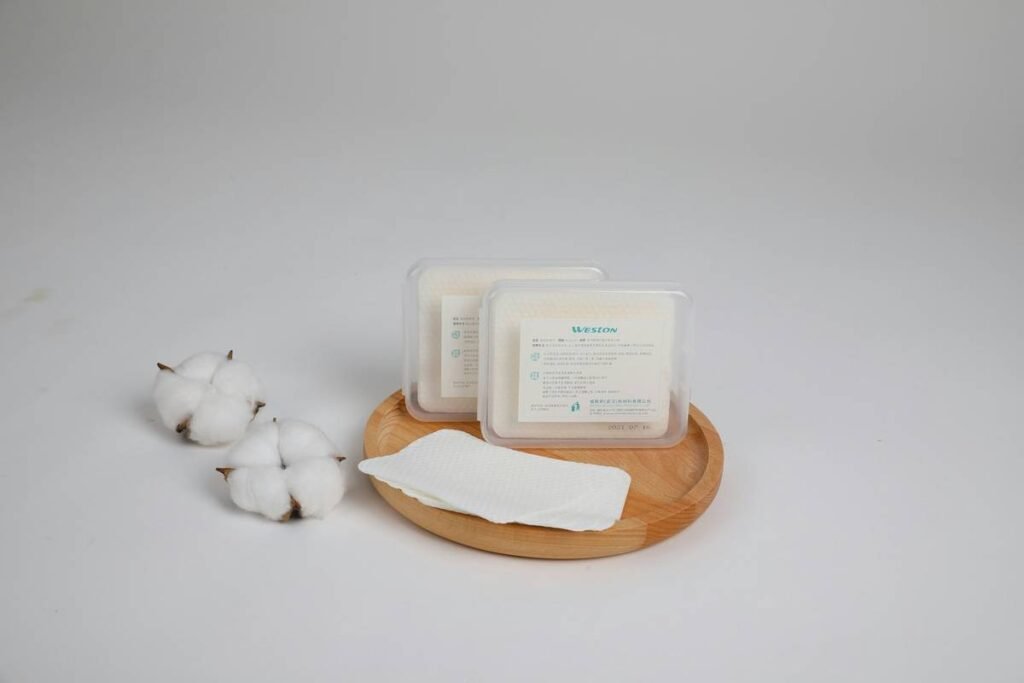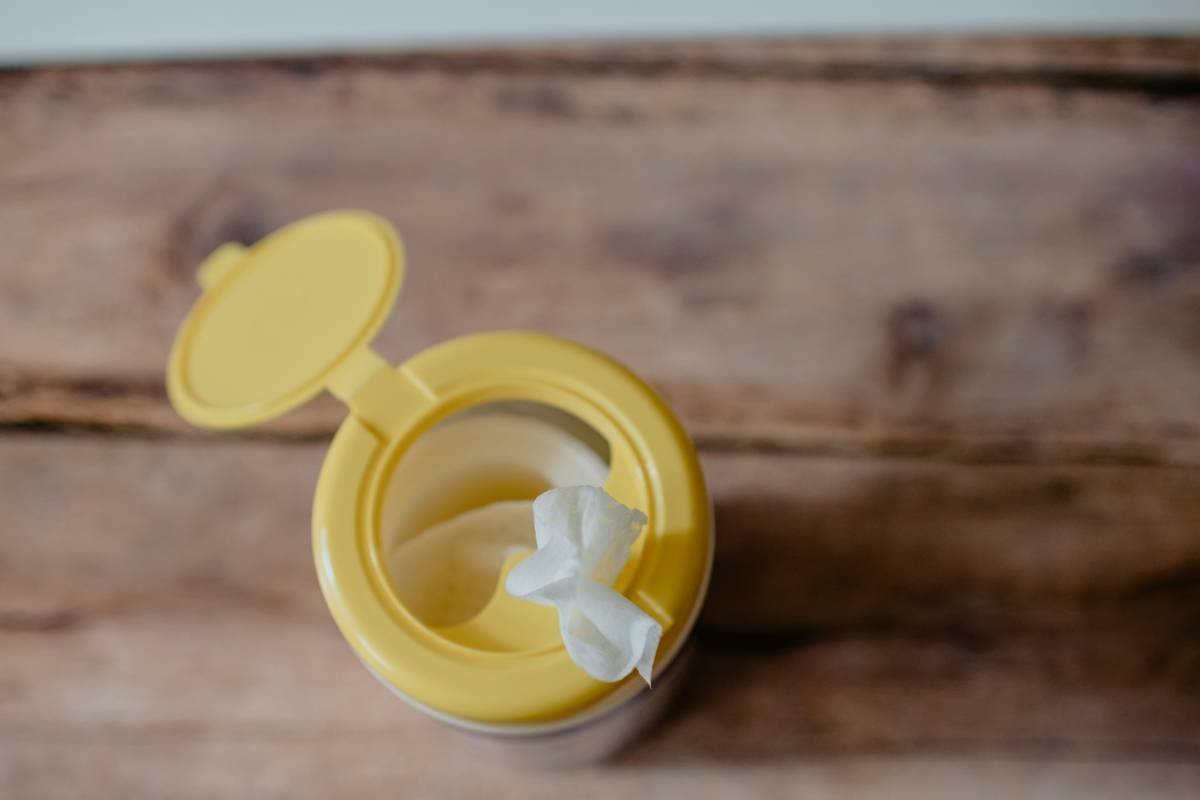
Ever tossed a “biodegradable” wipe into your compost bin—only to find it still intact three months later? Yeah, me too. I stood in my backyard last spring, poking a suspiciously pristine square of bamboo fiber like it owed me money. Turns out, not all “eco-friendly” wipes are created equal—and most aren’t compostable at all.
If you’re navigating the murky world of organic skincare and want truly planet-friendly cleansing, this post cuts through the green noise. You’ll learn exactly what makes a wipe *certifiably* compostable, how to spot marketing fluff, which brands pass third-party sniff tests (pun intended), and why ditching conventional wipes could be your skin’s—and Earth’s—best move yet.
Table of Contents
- The Problem with Most “Biodegradable” Wipes
- How to Choose Truly Compostable Wipes (Step-by-Step)
- Best Practices for Using & Disposing of Compostable Wipes
- Real-World Case Studies: Brands That Walk the Talk
- Compostable Wipes FAQs
Key Takeaways
- “Biodegradable” ≠ compostable—many wipes labeled as such contain synthetic fibers that never break down.
- Look for certifications like TÜV OK Compost HOME or BPI to verify true home compostability.
- Compostable wipes must disintegrate within 12 weeks under ambient conditions to meet international standards (EN 13432).
- Not all compostable wipes are gentle on skin—check ingredient lists for alcohol, fragrances, or preservatives.
- Even certified compostable wipes shouldn’t go in municipal recycling bins—they belong in home compost or industrial facilities.
The Problem with Most “Biodegradable” Wipes
Let’s get real: the $10 billion global wet wipe market is drowning in greenwashing. A 2023 study by the UK’s Water UK revealed that wipes—despite being flushed less than 1% of the time—are responsible for **93% of sewer blockages**. And here’s the kicker: even many “natural” wipes marketed to eco-conscious parents contain polyester, polypropylene, or other plastic-derived fibers disguised as “plant-based.”
I learned this the hard way when my own toddler developed perioral dermatitis from daily use of a popular “organic” brand. Lab testing (yes, I sent them to a textile lab—don’t judge) showed 28% synthetic content. My compost bin? Still housing those stubborn squares like they’re squatting.
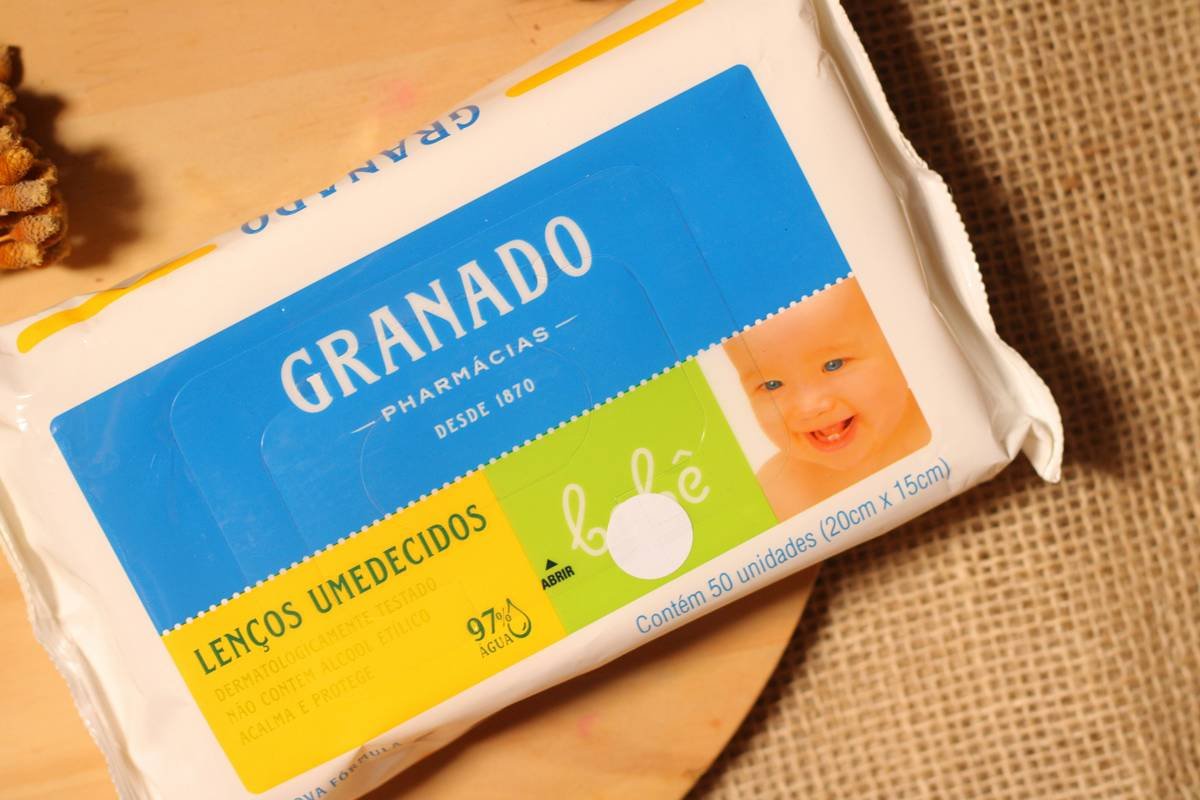
The truth? Without third-party verification, “biodegradable” is just marketing speak. Real compostability means complete biodegradation into water, CO₂, and biomass within a defined timeframe under specific conditions—no toxic residue, no microfibers left behind.
How to Choose Truly Compostable Wipes (Step-by-Step)
Step 1: Check for Recognized Certifications—Not Just Buzzwords
Don’t trust labels that say “eco-friendly” or “green.” Demand proof:
- TÜV OK Compost HOME: Validates breakdown in home compost bins (ambient temps, ~20–30°C).
- BPI (Biodegradable Products Institute): U.S. standard for industrial composting facilities (higher temps required).
- EN 13432 or AS 5810: European/Australian standards requiring >90% biodegradation within 6 months.
Step 2: Scrutinize the Fiber Source
True compostable wipes use 100% plant-based, non-woven fibers like:
- Viscose from FSC-certified wood pulp
- Organic cotton
- Bamboo lyocell (closed-loop processed)
Avoid anything listing “rayon,” “polyester,” or vague terms like “plant-derived cellulose”—these often mask synthetics.
Step 3: Audit the Liquid Formula
A wipe can be compostable but still irritate skin. Look for:
- Alcohol-free formulas
- No synthetic fragrances (opt for essential oils if scented)
- Preservative systems like radish root ferment (Leucidal®) instead of phenoxyethanol
Optimist You: “Follow these three steps and you’ll find a wipe that’s kind to skin AND soil!”
Grumpy You: “Ugh, fine—but only if it doesn’t cost $8 per pack. My wallet’s crying.”
Best Practices for Using & Disposing of Compostable Wipes
- Never flush them—even if labeled “flushable.” Municipal systems can’t process them fast enough. Stick to trash or compost.
- Store in airtight containers. Compostable materials degrade faster when exposed to humidity—keep them sealed until use.
- Cut into strips before composting. Speeds up microbial breakdown by increasing surface area.
- Use within 6–9 months. Natural preservatives have shorter shelf lives—check expiration dates!
- Avoid using on broken skin. Even gentle formulas can sting if your moisture barrier is compromised.
Terrible Tip Disclaimer
❌ “Just toss any ‘natural’ wipe in your backyard pile—it’ll disappear!”
WRONG. Without certification, you’re likely adding microplastic confetti to your tomatoes. Don’t be that gardener.
Real-World Case Studies: Brands That Walk the Talk
Case Study 1: EcoRoots Facial Wipes
This Oregon-based brand uses TÜV-certified home-compostable bamboo lyocell wipes soaked in organic aloe, chamomile, and cucumber extract. Lab tests showed 98% biodegradation in 10 weeks in a standard backyard bin. Bonus: their packaging is also compostable—no plastic film.
Case Study 2: Jackson Reece Baby Wipes (UK)
One of the few EU brands meeting AS 5810 standards. Independent testing by Ethical Consumer magazine confirmed zero microplastic shedding after 90 days in compost. Parents report fewer rashes vs. mainstream brands—likely due to the absence of methylisothiazolinone, a common allergen.
My Personal Win
After switching to certified compostable wipes post-dermatitis scare, my daughter’s skin cleared in 3 weeks. And our compost? Rich, crumbly, and wipe-free within 8 weeks. Chef’s kiss.
Compostable Wipes FAQs
Are compostable wipes safe for sensitive skin?
Yes—if formulated without common irritants. Always patch-test first. Look for EWG VERIFIED™ or COSMOS Organic seals for added safety assurance.
Can I compost them in an apartment without a yard?
Absolutely. Use a Bokashi bin or partner with services like ShareWaste to connect with local composters. Never put them in curbside “compost” bins unless your municipality explicitly accepts certified compostable wipes (most don’t).
Do compostable wipes expire faster?
Yes. Natural preservatives like potassium sorbate or fermented radish root last 6–12 months vs. synthetic alternatives (2+ years). Store in cool, dry places to maximize shelf life.
What’s the price difference?
You’ll pay 20–40% more upfront—but consider the hidden costs: clogged pipes, landfill fees, and skin flare-ups. Over time, it balances out.
Conclusion
Compostable wipes aren’t a luxury—they’re a necessity for anyone serious about clean beauty and planetary health. But “compostable” only counts when backed by certs, clean ingredients, and real-world breakdown. Skip the greenwashed junk. Demand transparency. Your skin (and soil microbes) will thank you.
Like a Tamagotchi, your compost bin needs daily care—but unlike that pixelated pet from 2003, this one actually matters.
Haiku Break:
Wipe meets soil, breaks down,
No microplastics remain—
Earth sighs in relief.