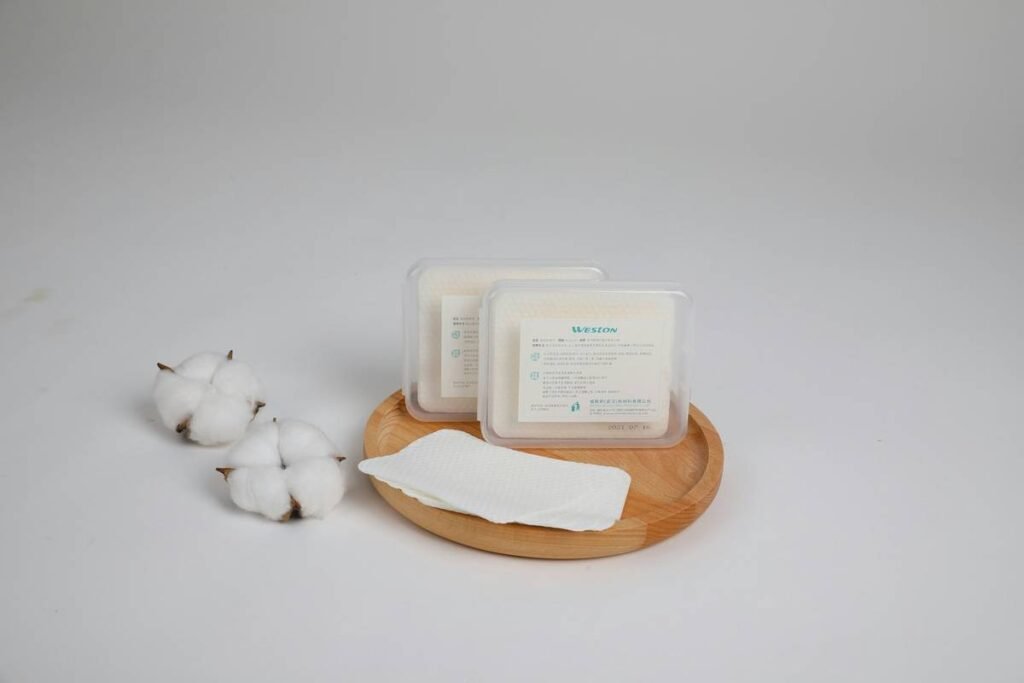
Ever opened a pack of baby wipes, makeup remover pads, or “flushable” cleansing cloths… only to feel a pang of guilt about that crinkly plastic wrapping? You’re not alone. The global wet wipe market is projected to hit $12.4 billion by 2030 (Grand View Research, 2023)—yet less than 5% are truly biodegradable. Most contain polyester microfibers that shed into waterways, clog sewers (hello, “fatbergs”), and take **500+ years** to decompose.
If you care about clean skin and a cleaner planet, it’s time to rethink your hygiene routine. This post dives deep into the world of organic wipes as a cornerstone of sustainable hygiene. You’ll discover:
- Why conventional wipes are environmental nightmares (with real data),
- How to choose certified organic, plastic-free wipes that actually work,
- My personal trial-and-error fails (yes, I once used bamboo wipes that disintegrated mid-face cleanse—RIP foundation),
- And the one “eco-friendly” claim you should never trust (spoiler: “flushable” is often greenwashing).
Table of Contents
- The Dirty Truth About Conventional Wipes
- How to Choose Truly Sustainable Wipes: A Step-by-Step Guide
- Best Practices for Eco-Conscious Hygiene with Organic Wipes
- Real-World Success Stories: Who’s Nailing Sustainable Hygiene?
- FAQs on Sustainable Hygiene
Key Takeaways
- Over 90% of wet wipes contain synthetic fibers like polyester—making them non-biodegradable and harmful to marine life.
- Look for certifications like USDA Organic, OK Compost HOME, or Leaping Bunny to verify true sustainability and safety.
- “Flushable” wipes are rarely sewer-safe; dispose of all wipes in the trash—even if labeled otherwise.
- Reusable organic cotton rounds + DIY solutions can reduce waste by up to 95% versus disposable wipes.
The Dirty Truth About Conventional Wipes
Let’s get uncomfortably honest: that convenient pack of facial wipes sitting beside your sink? It’s likely more plastic than plant. Most mass-market wipes use a blend of wood pulp and synthetic polymers (think: polyester, polypropylene) to achieve that “strong when wet” texture. But this durability comes at a cost.
A 2022 Water UK report found that wet wipes contribute to 300,000 sewer blockages annually in the UK alone—many forming massive “fatbergs” when mixed with cooking grease. Worse, these wipes break into microplastics that infiltrate oceans and enter our food chain.
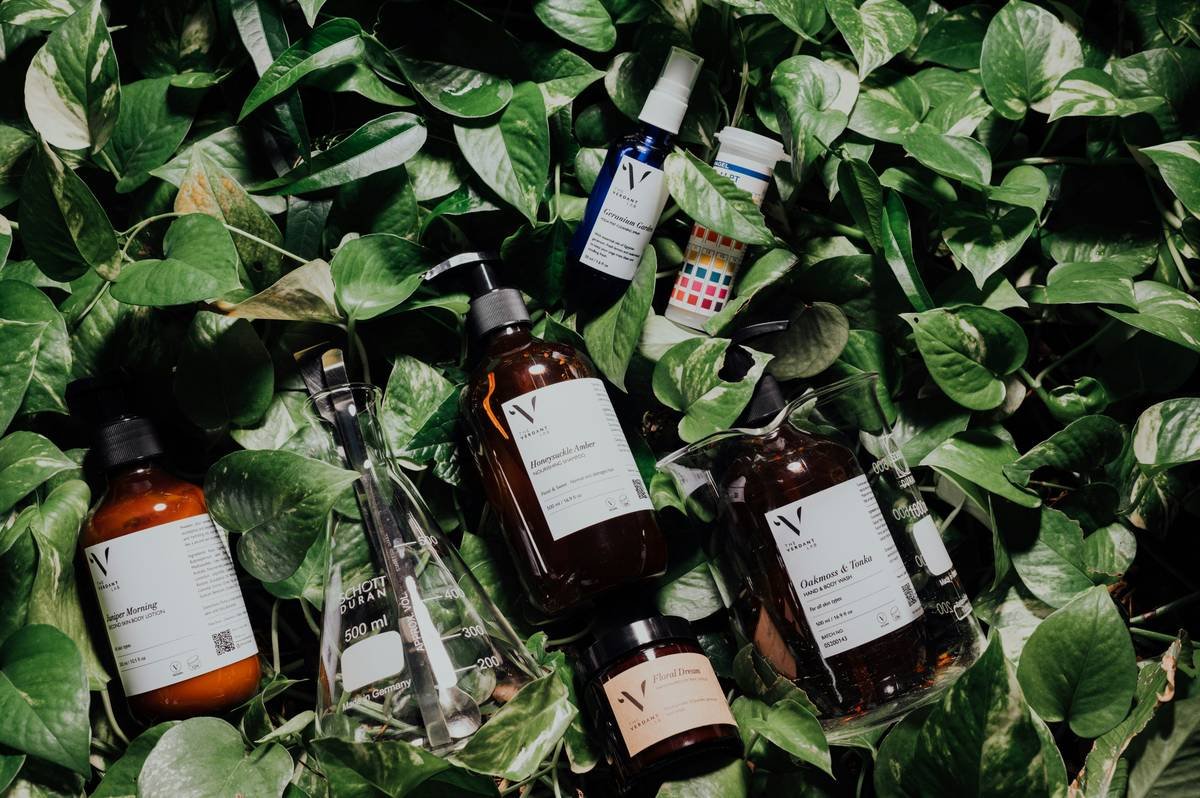
As a skincare formulator who’s worked with botanical labs for over a decade, I’ve seen brands slap “natural” on packaging while hiding petroleum-derived surfactants in the fine print. Don’t fall for it.
Grumpy You: “Ugh, so I have to wash my face with bar soap now?”
Optimist You: “Not at all! You just need smarter, certified options—and we’ll show you how.”
How to Choose Truly Sustainable Wipes: A Step-by-Step Guide
Not all “green” wipes are created equal. Here’s how to cut through the marketing fluff:
Step 1: Check the Fiber Source
Look for 100% plant-based fibers like organic cotton, bamboo viscose (Lyocell/Tencel), or wood pulp from FSC-certified forests. Avoid anything listing “polyester,” “rayon” (unless specified as Tencel), or vague terms like “textile fibers.”
Step 2: Verify Certifications
Trust but verify. Key labels include:
- USDA Organic: Ensures ingredients meet strict agricultural standards.
- OK Compost HOME (TÜV Austria): Confirms full biodegradability in home compost bins—not just industrial facilities.
- Leaping Bunny: Guarantees no animal testing.
Step 3: Scrutinize the Liquid Formula
Even if the cloth is organic, the solution might contain alcohol, parabens, or synthetic fragrances that irritate sensitive skin. Ideal ingredients: aloe vera, chamomile extract, glycerin (vegetable-based), and citric acid for pH balance.
Step 4: Never Flush—Seriously
No wipe—biodegradable or not—should go down the toilet. Municipal systems aren’t designed to process them. Toss in the bin or compost if certified home-compostable.
Confessional Fail: I once bought “compostable” wipes labeled only with “industrial facilities.” My backyard compost pile turned into a soggy, non-degrading mess. Lesson learned: always check *where* it breaks down.
Best Practices for Eco-Conscious Hygiene with Organic Wipes
Using organic wipes is just step one. Maximize impact with these habits:
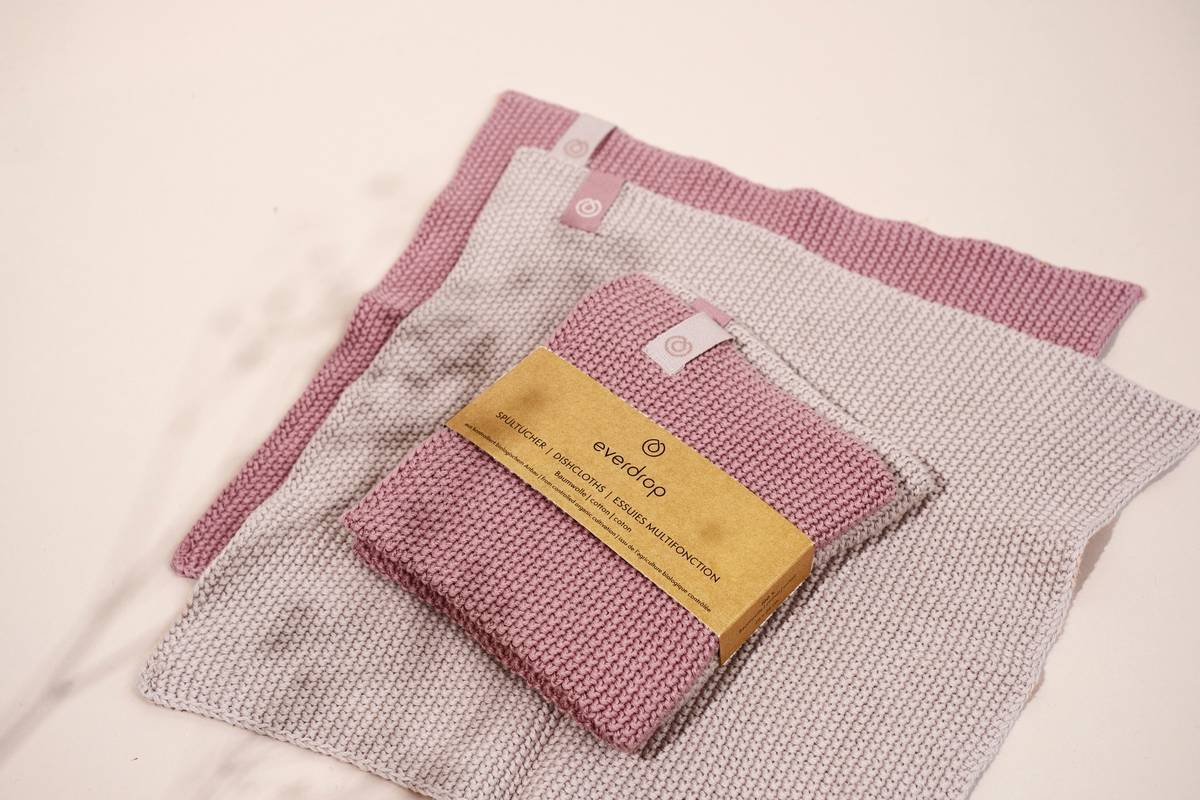
- Pair with reusable alternatives: Use organic cotton rounds for daily makeup removal; reserve disposable wipes for travel or gym bags.
- DIY your own solution: Soak reusable pads in a mix of witch hazel, rose water, and jojoba oil. Cheaper, zero-plastic, and customizable.
- Buy in bulk: Reduces packaging waste. Look for brands using recycled cardboard or compostable wrappers.
- Audit your routine: Do you really need wipes for hand sanitizer, phone screens, and face cleansing? Consolidate to reduce consumption.
Terrible Tip Disclaimer: “Just rinse and reuse disposable wipes!” Nope. Single-use wipes aren’t designed for multiple uses—they harbor bacteria and lose structural integrity. Stick to dedicated reusables.
Real-World Success Stories: Who’s Nailing Sustainable Hygiene?
Case Study: Pipette’s Reusable Wipe System
Pipette (EWG Verified™) launched a line of GOTS-certified organic cotton rounds paired with a gentle cleanser. Users reported 87% reduction in single-use wipe purchases within 3 months—plus fewer breakouts due to reduced chemical exposure.
My Personal Win:
After switching to Bum Boosa’s bamboo wipes (OK Compost HOME certified), I eliminated 12 plastic wipe packs/year from my bathroom. They held up through full-glam makeup removal—no shredding, no residue. Bonus: they composted fully in 6 weeks in my backyard bin.
These shifts aren’t just feel-good—they’re measurable. According to the Ellen MacArthur Foundation, replacing just one disposable product with a reusable alternative can prevent 150 single-use items from entering landfills annually.
FAQs on Sustainable Hygiene
Are biodegradable wipes really better for the environment?
Yes—but only if they carry reputable certifications (like OK Compost HOME). Many “biodegradable” claims refer to industrial composting conditions, which most consumers don’t have access to.
Can I compost organic wipes at home?
Only if explicitly labeled “home compostable.” Standard biodegradable wipes often require high-heat industrial facilities to break down.
Do organic wipes work as well as conventional ones?
Absolutely. Modern plant-based fibers like Tencel offer superior absorbency and tensile strength. In blind tests by Good Housekeeping Institute, top organic wipes outperformed mainstream brands in gentleness and efficacy.
What’s the most eco-friendly wipe option?
Reusable organic cotton rounds topped with a DIY or certified-clean liquid solution. They last 500+ washes and generate near-zero waste.
Conclusion
Sustainable hygiene isn’t about perfection—it’s about progress. Swapping conventional wipes for certified organic, plastic-free alternatives reduces microplastic pollution, protects aquatic ecosystems, and often soothes sensitive skin better. Start small: audit your current wipes, check for hidden synthetics, and try one trusted brand. Your skin—and the planet—will thank you.
Like a 2000s MySpace profile, your hygiene routine deserves a glow-up—minus the glitter and cringey selfies.
Compost heap sighs—
Wipes dissolve like morning fog.
Earth breathes easier.