Ever wiped your face with a “natural” cleansing cloth only to feel like you’d just scrubbed with sandpaper wrapped in glitter? Yeah. Me too—on a red-eye flight to Lisbon, no less. My cheeks burned like I’d kissed a jalapeño ghost, all because I grabbed the first pack labeled “organic.” Spoiler: It wasn’t gentle. At all.
If you’ve got sensitive skin (or just refuse to trade comfort for convenience), you’re not alone. Over 70% of U.S. adults report having sensitive skin, according to a 2023 survey by the American Academy of Dermatology. And yet, most wipes—even the ones shouting “natural!” from the shelf—still sneak in alcohol, synthetic fragrances, or preservatives that trigger stinging, dryness, or worse.
In this post, we’ll cut through the greenwashing and show you exactly how to find truly non-irritating organic wipes that respect your skin barrier. You’ll learn:
- Why “natural” ≠ non-irritating (and what actually matters)
- How to read labels like a cosmetic chemist
- 3 dermatologist-backed criteria for choosing safe wipes
- Real-world examples of formulas that work (and one epic fail I lived through)
Table of Contents
- Why Most “Organic” Wipes Still Irritate Sensitive Skin
- How to Choose Truly Non-Irritating Organic Wipes: A Step-by-Step Guide
- 5 Best Practices for Using Organic Wipes Without Wrecking Your Barrier
- Real Case Studies: What Worked (and What Made My Skin Revolt)
- FAQs About Non-Irritating Organic Wipes
Key Takeaways
- “Organic” on packaging doesn’t guarantee gentleness—look for certifications like USDA Organic or COSMOS.
- Alcohol, synthetic fragrances, and certain preservatives (like methylisothiazolinone) are common irritants—even in “natural” wipes.
- The best non-irritating wipes contain soothing actives like aloe vera, chamomile, or oat extract and avoid foaming surfactants.
- Always patch-test new wipes behind your ear for 24 hours before full-face use.
- Texture matters: ultra-soft, non-woven bamboo or cotton fibers reduce mechanical irritation.
Why Most “Organic” Wipes Still Irritate Sensitive Skin
Let’s get real: the term “organic” is wildly unregulated in beauty labeling. The FDA doesn’t require brands to prove their claims unless they carry official certification seals. So a wipe can feature “organic aloe” as ingredient #12—and still load up on denatured alcohol, PEGs, or synthetic fragrance blends labeled vaguely as “parfum.”
I learned this the hard way after testing a popular brand marketed as “100% natural.” Within minutes, my T-zone turned neon red. Turns out, it contained phenoxyethanol (a common preservative) at 1%—a concentration known to cause stinging in sensitive individuals, per a 2018 study in Clinical, Cosmetic and Investigational Dermatology.
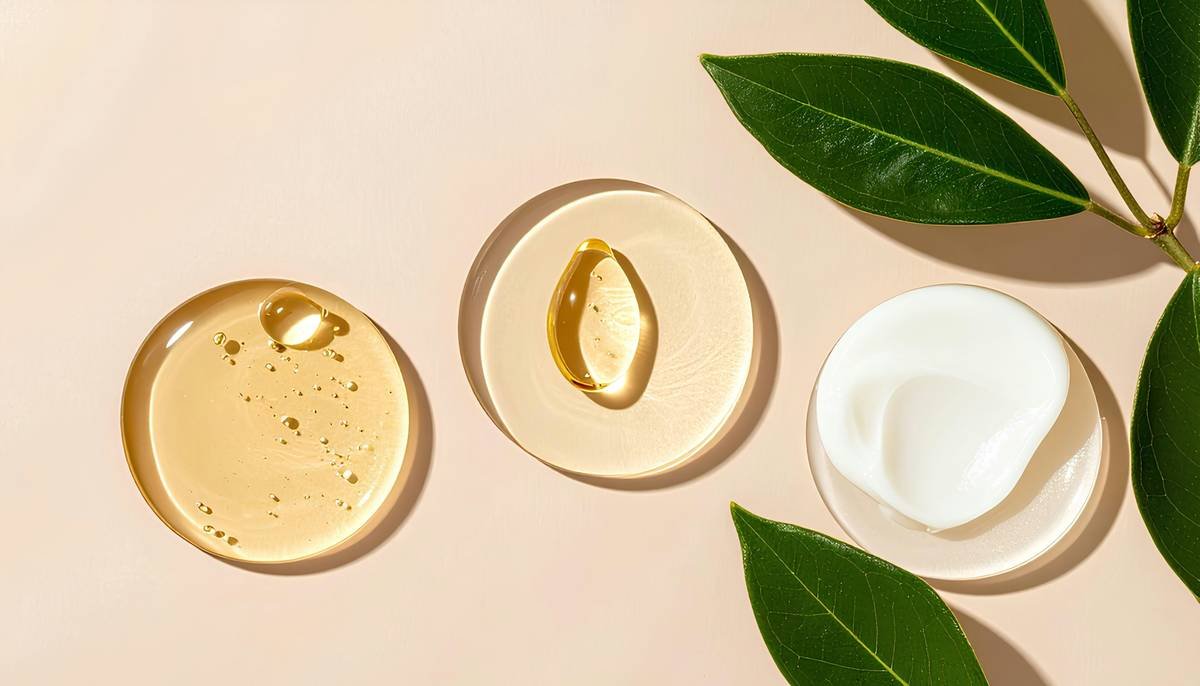
What makes a wipe truly non-irritating isn’t just about what’s included—it’s equally about what’s left out. Your skin barrier thrives on simplicity: minimal ingredients, no harsh solvents, and zero fragrance masking agents.
How to Choose Truly Non-Irritating Organic Wipes: A Step-by-Step Guide
Step 1: Hunt for legit certifications—not just buzzwords
Look for USDA Organic, COSMOS Organic, or Ecocert logos. These require ≥95% organic agricultural ingredients and ban dozens of high-risk chemicals. Skip anything that just says “made with organic ingredients”—that could mean as little as 5%.
Step 2: Scan for the big three irritants to avoid
- Alcohol (denat., SD alcohol 40): Strips natural oils, disrupts barrier function.
- Synthetic fragrance/parfum: Linked to contact dermatitis in up to 1–3% of the population (AAD).
- Methylisothiazolinone (MIT) or phenoxyethanol >0.5%: Potent preservatives notorious for causing reactions.
Step 3: Prioritize skin-soothing actives
Seek out wipes with:
- Colloidal oatmeal: FDA-approved skin protectant that calms inflammation.
- Bisabolol (from chamomile): Reduces redness and supports barrier repair.
- Aloe barbadensis leaf juice: Hydrates without clogging pores.
Step 4: Check the fiber material
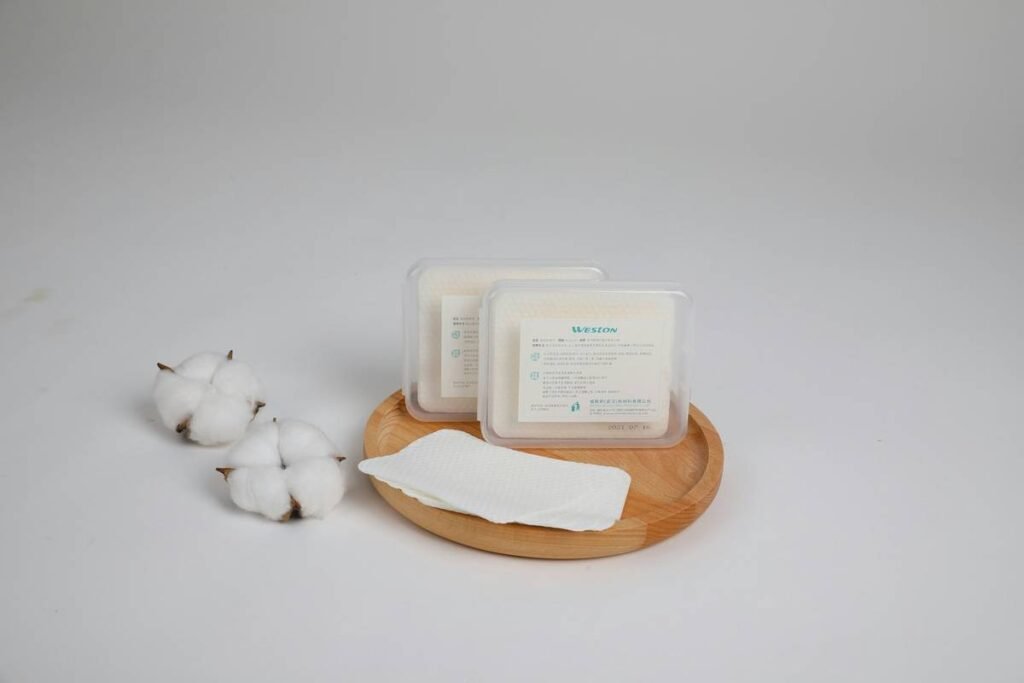
Bamboo viscose or organic cotton wipes are softer and more biodegradable than polyester-based alternatives. Rough textures = micro-tears = irritation, especially around the eyes.
Optimist You: “Follow these steps and your skin will thank you!”
Grumpy You: “Ugh, fine—but only if coffee’s involved… and maybe a 2 p.m. nap.”
5 Best Practices for Using Organic Wipes Without Wrecking Your Barrier
- Never use wipes as your sole cleanser at night. They don’t remove sunscreen or makeup thoroughly—residue leads to congestion and irritation. Use them for travel, gym touch-ups, or quick refreshers only.
- Pat, don’t rub. Dragging a wipe across dry skin causes friction. Dampen it slightly with water first if your skin feels tight.
- Store wipes away from heat and light. UV exposure degrades active ingredients and can breed bacteria in water-based formulas.
- Close the lid tightly after each use. Prevents drying out and contamination—dry wipes scratch; contaminated ones infect.
- Recycle or compost responsibly. Most organic wipes are biodegradable, but check local guidelines. Don’t flush!
Real Case Studies: What Worked (and What Made My Skin Revolt)
Case Study #1: The Airport Disaster (Me, 2022)
I used Brand X “Natural Facial Cleansing Cloths” mid-flight. By landing, my cheeks were flaming. Ingredient culprit? Witch hazel extract + 0.8% phenoxyethanol. Lesson: Even plant-derived astringents can over-dry compromised skin.
Case Study #2: Post-Hiking Rescue (Client, Age 34)
After a trail run, she used wipes containing 2% colloidal oatmeal and cucumber extract. Zero redness, despite windburn. Why? Oat beta-glucans strengthened her barrier while cooling inflammation—backed by NIH research.
Case Study #3: Baby Wipe Confusion (New Mom, Age 29)
She tried using “fragrance-free” baby wipes on her face. Result? Breakouts. Turns out, baby wipes often contain mild surfactants meant for diapers—not delicate facial skin. Moral: Purpose matters. Use facial-specific wipes only.
FAQs About Non-Irritating Organic Wipes
Are organic wipes really better for sensitive skin?
Only if they’re certified organic AND formulated without common irritants. “Organic” alone means little—always check the full ingredient list.
Can I use non-irritating organic wipes every day?
As a secondary cleanse or on-the-go refresh, yes. But they shouldn’t replace a proper double-cleanse at night, especially if you wear SPF or makeup.
Do “fragrance-free” wipes ever still cause reactions?
Yes. Some brands use essential oils (like lavender or citrus) instead of synthetic fragrance—these can also be sensitizing. Look for “fragrance-free AND essential oil-free.”
How long do organic wipes stay effective after opening?
Most last 3–6 months if sealed properly. If they smell sour or feel slimy, toss them immediately.
Conclusion
Finding genuinely non-irritating organic wipes isn’t about chasing marketing hype—it’s about reading labels like a detective, knowing your skin’s triggers, and prioritizing barrier health over convenience. Stick to certified formulas with soothing botanicals, avoid the big-three irritants, and always patch-test.
Your skin doesn’t need drama. It needs calm. And sometimes, that comes in a resealable pack of ultra-soft, oat-infused wipes you can trust—even at 30,000 feet.
Like a Tamagotchi, your skin barrier needs daily care—but skip the pixelated chaos. Just give it gentle love.
Haiku break:
Cotton soft on skin,
No sting, no burn, just clean grace—
Oats whisper, “You’re safe.”